

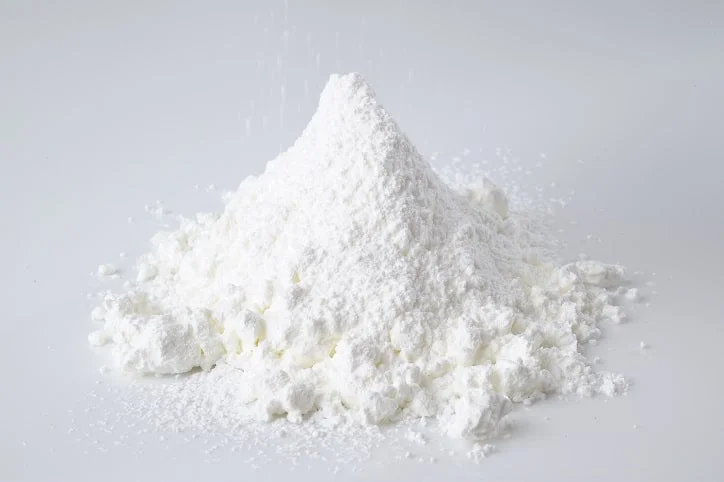



Caseinates are used as functional proteins in food and nutrition products.
Caseinates are soluble salts of casein, the primary protein in milk, produced by neutralizing acid casein with alkalis like sodium or calcium hydroxide. They function as high-quality (90%+ protein) emulsifiers, stabilizers, and thickeners in foods like processed cheese, coffee creamers, and nutritional supplements.
Key Types and Functions:
Sodium Caseinate: The most common form, highly soluble in water and excellent for increasing viscosity in dairy products, sauces, and soups.
Calcium Caseinate: Often used in nutrition bars and beverages; it has a higher calcium content and forms a more viscous, less soluble mixture than sodium caseinate.
Potassium Caseinate: Utilized in clinical nutrition and specialized beverage applications.
Primary Applications:
Food Industry: Used as an emulsifier in dairy alternatives, coffee whiteners, ice cream, processed cheese, and for improving texture in yogurt and bakery items.
Nutrition: Found in sports drinks, protein powders, and meal replacements, offering a slow-digesting, high-quality protein source.
Other Uses: Employed as a binder in adhesive formulations.
Characteristics:
Caseinates generally have a neutral flavor and a white to off-white appearance. They are produced through processing techniques such as spray-drying or extrusion. While they are derived from milk, they are technically not dairy-free, and individuals with milk allergies should avoid them.
Related products






Milk Protein Concentrate MPC