
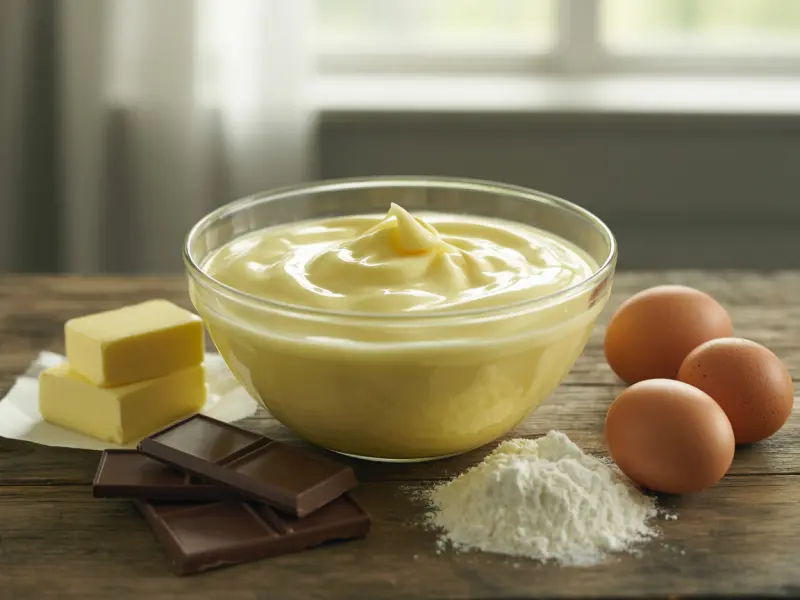


Anhydrous milk fat is used in bakery confectionery and dairy manufacturing.
Anhydrous Milk Fat (AMF) is a concentrated dairy ingredient containing at least 99.8% fat, produced by removing water and non-fat solids from fresh cream or butter. It has a long shelf life, can be stored without refrigeration, and is widely used in chocolate, confectionery, ice cream, baking, and for reconstituting milk.
Key Characteristics and Benefits
Long Shelf Life: Due to near-zero water content, AMF is stable and does not require refrigeration for extended periods.
Superior Functionality: Improves texture, adds a creamy, rich taste, and offers superior “snap” in chocolate.
Versatility: Used for baking, frying, and cooking due to its high smoke point, which is higher than regular butter.
Main Applications
Confectionery & Chocolate: Used for controlling texture and improving the snap in chocolate.
Ice Cream: Enhances creaminess and flavor.
Bakery: Ideal for puff pastries and cakes, creating an elastic texture.
Dairy Recombination: Used to manufacture butter, ghee, or to reconstitute liquid milk.
Storage and Handling
AMF is typically packaged in 25 kg cartons, 210 kg steel drums, or 900 kg-1000 kg IBC containers. While it can be stored at ambient temperatures, keeping it in a cool, dry place is recommended for maintaining maximum freshness. It melts at temperatures exceeding 34°C, turning into a clear yellow oil.
Differences from Other Dairy Fats
vs. Butter: Butter contains roughly 82% fat, 16% water, and 2% milk solids, whereas AMF is >99.8% fat, resulting in a much higher concentration.
vs. Ghee: While similar, Ghee often has a more pronounced, cooked flavor profile, whereas AMF is generally clean-tasting.
Related products
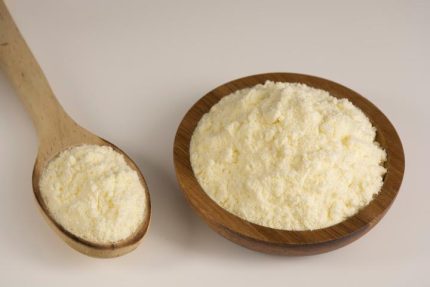
Buttermilk Powder


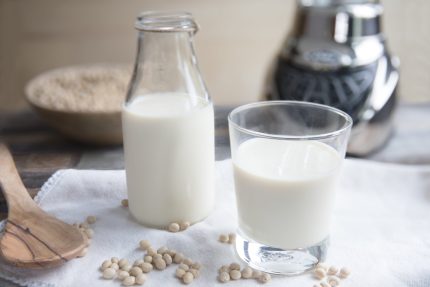
UHT Milk