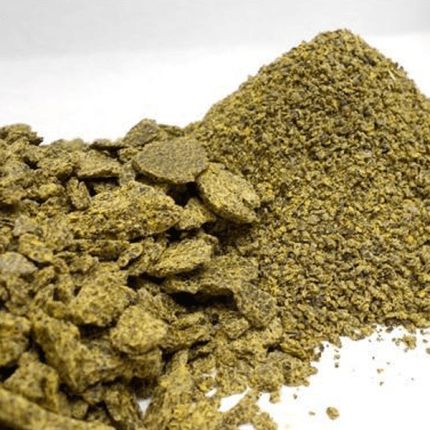

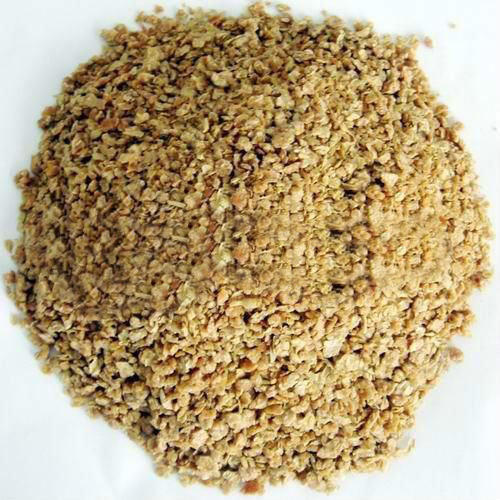

Cottonseed meal is supplied for livestock feed formulations.
Cottonseed meal is a protein-rich byproduct of cottonseed oil extraction, primarily used as a feed supplement for ruminant livestock and as a slow-release, acidic organic fertiliser for plants. Its use in animal feed is limited in non-ruminants due to the natural toxin gossypol.
Animal Feed
Cottonseed meal is an economical and effective protein source, especially in cotton-producing regions.
Ruminants (Cattle, Sheep, Goats): It is a common and safe protein supplement for adult ruminants, as their rumen can detoxify the naturally occurring gossypol. It is a good source of bypass protein, phosphorus, and energy for dairy and beef cattle.
Non-Ruminants (Pigs, Poultry, Fish): Use is limited and requires careful formulation due to their sensitivity to gossypol and the meal’s low lysine content. High inclusion rates can lead to toxicity, reduced growth, and reproductive problems. Glandless cottonseed varieties (which are gossypol-free) are being developed to safely expand usage in these animals.
Gardening and Agriculture
As an organic, slow-release fertilizer, cottonseed meal is highly beneficial for soil health and plant growth.
Nutrient Profile: It provides a gentle, long-lasting source of nutrients, typically with an NPK ratio of around 7-3-2 (nitrogen, phosphorus, potassium).
Acidifying Effect: It naturally increases soil acidity, making it an excellent choice for acid-loving plants such as azaleas, rhododendrons, camellias, and blueberries.
Soil Amendment: Its high organic content helps aerate dense soil and retain moisture in sandy soil, improving overall soil structure.
Application: It can be applied to turf grass, shrubs, and vegetable gardens to promote healthy foliage and abundant blooms, often requiring 1-2 inches worked into the soil for new gardens or as a top dressing.