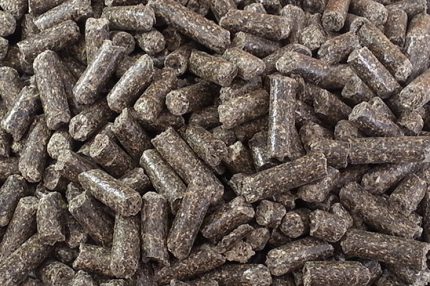



Fish meal is used as a protein rich ingredient in animal and aquaculture feed.
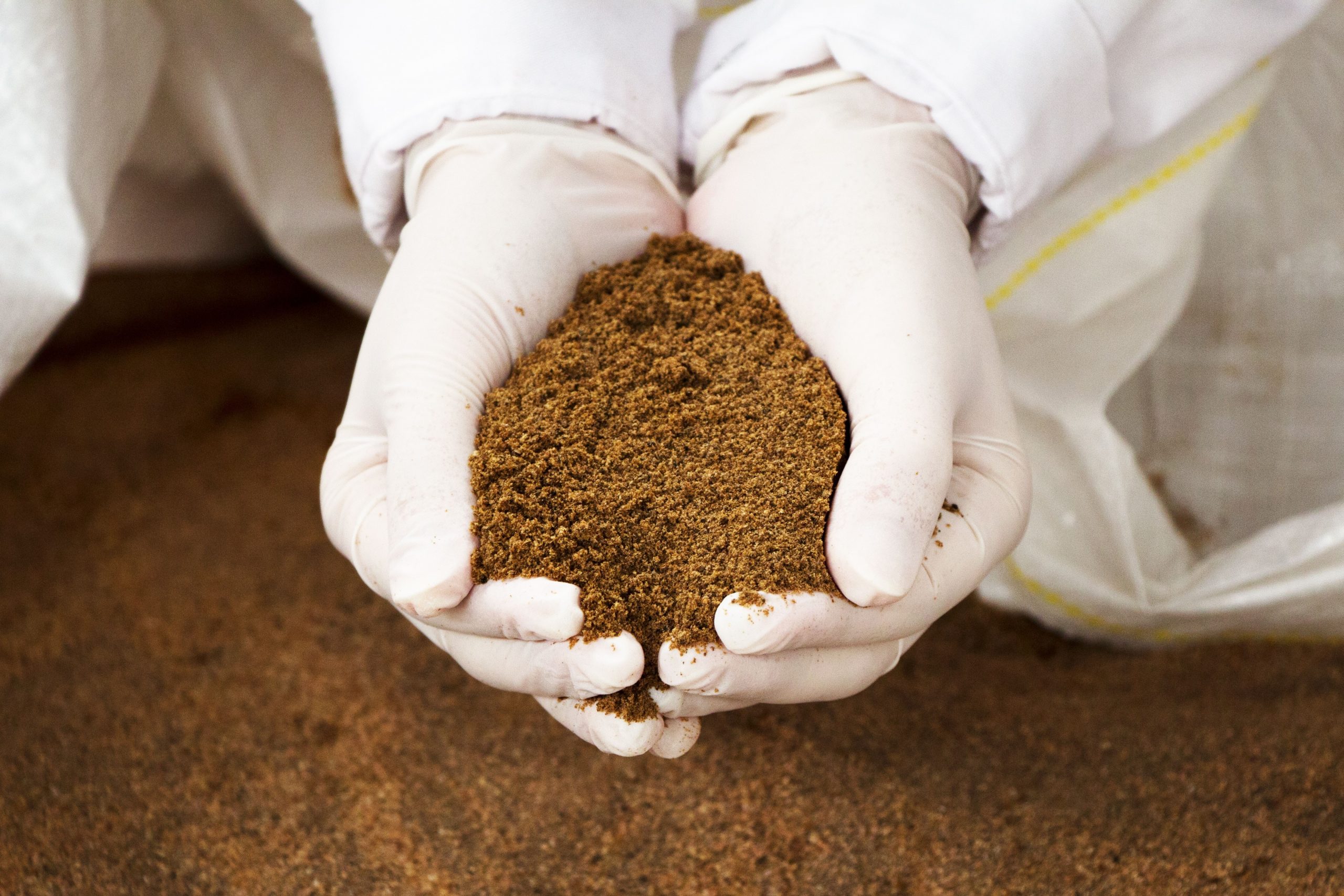
Fish meal is a nutrient-dense, high-protein flour (60%–72% protein) produced by cooking, pressing, drying, and grinding whole wild-caught fish or fish by-products. It is a critical,, nutrient-rich ingredient in aquaculture and livestock feed (poultry, swine) that promotes rapid growth and health.
Key Aspects of Fish Meal
Composition: Contains high-quality protein, essential amino acids, lipids (omega-3 fatty acids), vitamins, and minerals.
Production: Made from small, oily fish (e.g., anchovy, herring, menhaden) or trimmings from processed fish.
Uses: Primarily used as a high-protein supplement in formulated diets for farmed fish, shrimp, pigs, and poultry.
Quality: High-quality meals often use steam-drying to preserve maximum nutrients.
Impact: While essential for efficient animal production, the industry faces scrutiny regarding the environmental impact of fishing on marine ecosystems.
Types of Fish Meal
Whitefish meal: Derived from cod, haddock, hake, and pollack processing waste.
Oily fish meal: Produced from species like anchovy and menhaden.
By-catch/Offal: Made from trimmings not used for human consumption.
It is typically a coarse brown powder or cake that is highly susceptible to spontaneous combustion if not properly managed, stored, and transported.