
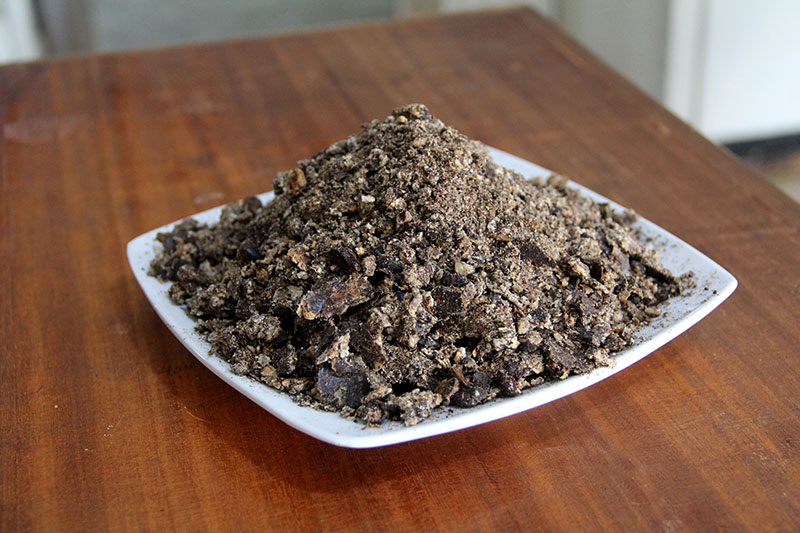
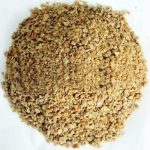
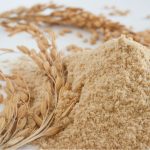

Palm kernel cake is used in ruminant feed and livestock nutrition.
Palm kernel cake (PKC) is a fibrous, protein-rich (14-20% CP) by-product of palm oil extraction widely used as a cost-effective, energy-dense feed for ruminants like cattle and goats. It helps reduce production costs and supports good growth performance in feedlots. While suitable for ruminants due to high digestibility, high-level inclusion requires management of fiber (65-70% NDF) and nutrient levels.
Nutritional and Feed Value:
Composition: PKC typically contains 14.5% to 19.24% crude protein and is rich in energy, making it suitable for improving weight gain and overall animal health.
Ruminant Usage: It is highly suitable for ruminants (cattle, goats, sheep) due to its high fiber content (650-717 g/kg NDF).
Performance: Research indicates that including up to 80 g/kg (or 8%) of PKC in goat diets does not affect performance. In beef cattle, it can be used to improve daily weight gain and feed efficiency.
Cost Efficiency: As a byproduct of the biofuel and oil industry, it is a low-cost, sustainable alternative to traditional protein and energy sources like soybean meal or corn.
Limitations and Considerations:
Fiber and Nutrients: While good for ruminants, the high fiber (NDF) and high copper (approx. 30 ppm) levels, along with factors like tannins, need to be managed to avoid digestive issues.
Poultry Limitation: High fiber and low amino acid balance limit its use in monogastric animals (poultry), generally to less than 40% inclusion, though fermentation can improve its quality.
Consistency: The nutrient quality can vary depending on the extraction method (mechanical vs. solvent), with expeller-produced cake having higher oil content (5-12%) than meal.