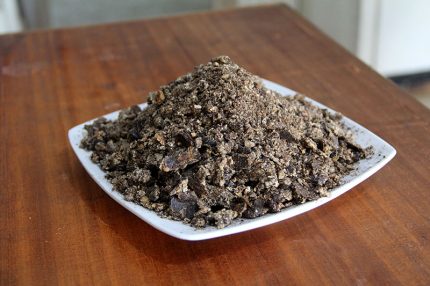



Meat bone meal is supplied as a protein and mineral source for animal feed.
Meat and bone meal (MBM) is a rendered product of the animal processing industry, widely utilized as a high-value, cost-effective protein and mineral supplement in livestock and pet food, specifically for non-ruminant species. It is produced by cooking, defatting, and grinding leftover animal tissues (mammalian, poultry, or fish), including bones and offal, creating a nutrient-dense powder that supports muscle development and skeletal growth.
Nutritional Composition
Protein: Contains high levels of protein, typically ranging from 40% to 60%, with a balanced amino acid profile.
Minerals: A primary source of essential minerals, specifically calcium (7–10%) and phosphorus (4.5–6%).
Other Nutrients: Contains fat (10–20% or higher), which provides energy, as well as Vitamin B12.
Key Uses and Benefits
Poultry and Swine Feed: Used to enhance growth, improve feed conversion ratios, and support skeletal strength in non-ruminant livestock.
Pet Food: Common ingredient in cat and dog food to boost protein content.
Aquaculture: Utilized as a protein-rich ingredient in fish feed.
Sustainability: It is a sustainable, circular economy solution that repurposes animal by-products unsuitable for human consumption.
Restrictions and Regulations
Due to the risk of transmitting Bovine Spongiform Encephalopathy (BSE), the use of MBM in feed for ruminants (cattle, sheep) is banned or heavily restricted in many countries. The European Union has banned the feeding of MBM to all farm animals. It is essential to ensure proper heat treatment during processing to eliminate pathogens and to check local regulations.
Nutrient Variability
The composition of MBM can be highly variable depending on the raw materials used and the processing methods. High-quality MBM generally has higher protein content, while the ash content can range from 12% to 40%