

Understanding Sunflower Meal: A Nutritional Powerhouse for Livestock
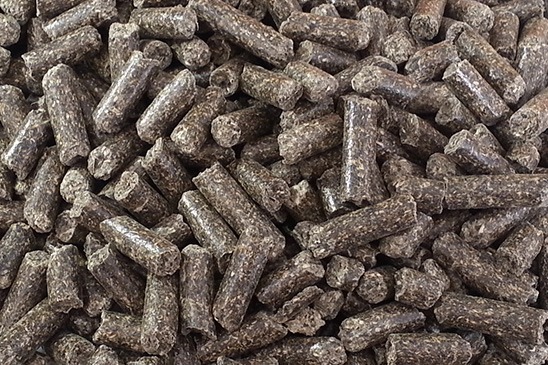
Sunflower meal, a byproduct of sunflower seed oil extraction, has emerged as a valuable component in animal nutrition. Known for its high protein and fiber content, this meal serves not only as an excellent feed option but also contributes to the overall health and productivity of livestock.
The Nutritional Benefits of Sunflower Meal
Among the many advantages of sunflower meal, its impressive composition stands out. Typically containing about 35-45% protein and 13-20% fiber, sunflower meal is a rich source of essential nutrients. These components play a crucial role in promoting animal health. The high protein content assists in muscle development and overall growth, while the fiber supports healthy digestion.
Sunflower meal is also rich in amino acids, particularly methionine and cysteine, which are vital for several physiological functions, including the synthesis of proteins and enzymes. Additionally, it provides a range of vitamins and minerals, including B vitamins, magnesium, and phosphorus, all of which are essential for maintaining optimal health in livestock.
Sunflower Meal in Animal Feed
The incorporation of sunflower meal into animal feed is becoming increasingly popular among livestock producers. Its versatility makes it suitable for a variety of animals, including cattle, pigs, chickens, and other livestock. This ingredient not only enhances the nutritional profile of the feed but also contributes to better feed efficiency, resulting in improved weight gain and overall productivity.
For ruminants like cattle, sunflower meal can significantly improve not only milk production but also the quality of milk. The essential fatty acids found in sunflower meal can enhance the fatty acid profile of milk, which is advantageous for dairy farmers aiming to produce high-quality products.
Sustainable Feeding Solution
In an era of increasing environmental concerns, sunflower meal offers a sustainable option for livestock feeding. By utilizing a byproduct of sunflower oil production, producers reduce waste and make efficient use of agricultural resources. Furthermore, sunflower meal is advantageous for farmers looking to minimize their carbon footprint while still providing quality nutrition to their animals.
By reducing reliance on traditional, more resource-intensive protein sources like soybean meal, sunflower meal contributes to a more sustainable feeding system. This shift not only benefits the environment but also supports local agricultural economies by creating demand for sunflower cultivation.
The Cost-Effectiveness of Using Sunflower Meal
From a financial perspective, sunflower meal can be a cost-effective addition to animal feed formulations. Often lower in price compared to other protein sources, sunflower meal helps farmers manage their feed costs effectively without sacrificing nutritional quality. This economic benefit is especially critical in the challenging landscape of livestock production, where feed expenses represent a substantial portion of total costs.
Moreover, sunflower meal’s abundance of fiber can help reduce overall feed costs by partially replacing higher-priced feed components. This balancing act enables farmers to optimize their rations while ensuring that livestock receive the necessary nutrients for growth and productivity.
Conclusion: The Future of Sunflower Meal in Animal Nutrition
In summary, sunflower meal stands out as a powerhouse in the realm of animal feed. Its impressive protein and fiber content, combined with cost-effectiveness and sustainability, make it an attractive option for livestock producers. As more farmers recognize the benefits of including sunflower meal in their feeding strategies, this nutritional powerhouse is likely to play an increasingly important role in the future of animal nutrition.
By incorporating sunflower meal into their feed formulas, livestock producers can ensure they are providing well-rounded nutrition that supports the health, productivity, and sustainability of their operations. As we move towards a more sustainable agricultural future, sunflower meal is poised to be a leading ingredient in animal nutrition, contributing positively to both livestock and the environment.