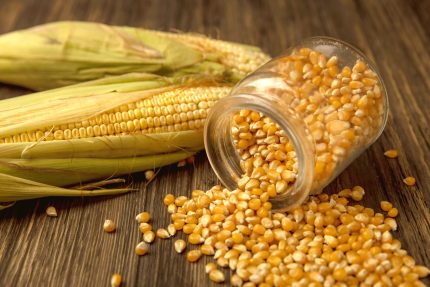

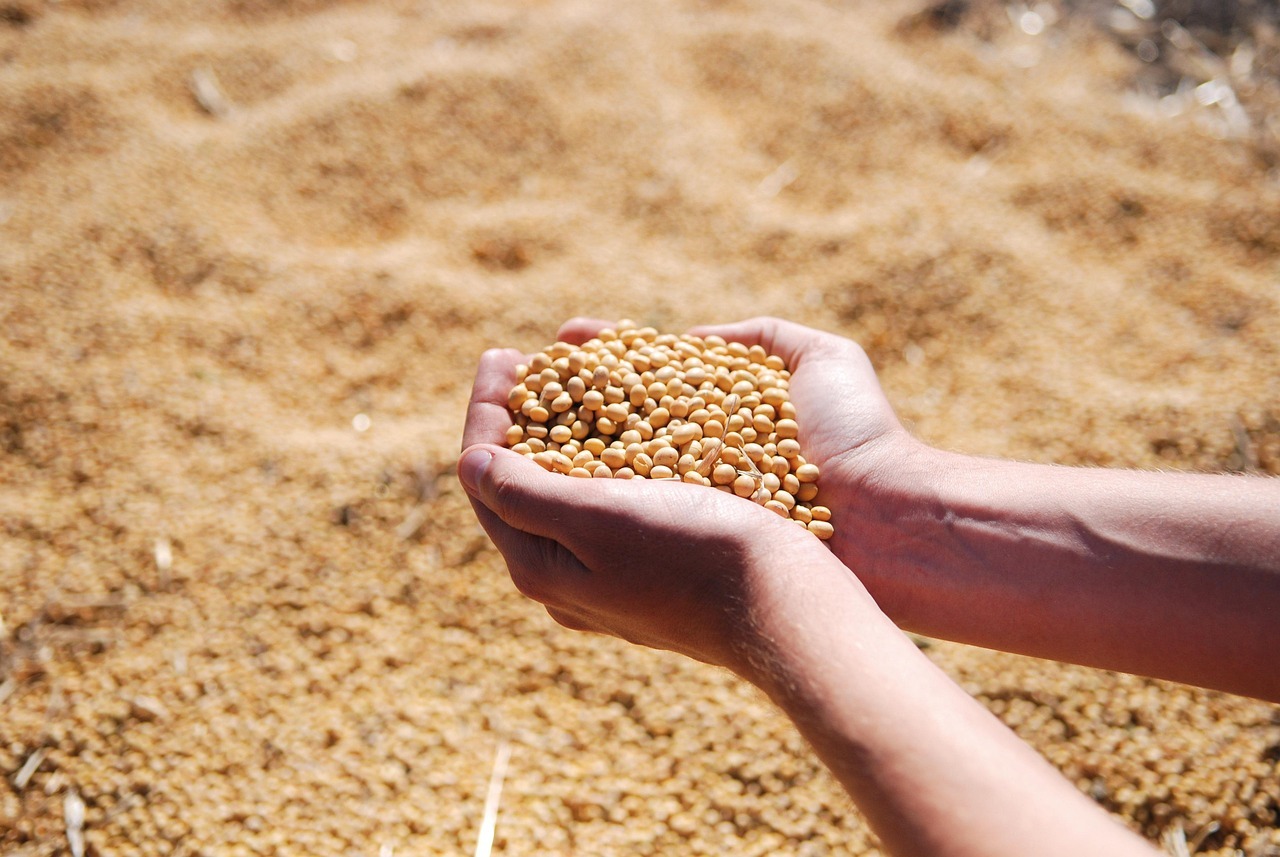

High protein soybeans are supplied for animal feed and food processing.
High-protein soybeans and their derivatives are essential for global food systems, primarily serving as a concentrated plant-based protein source for livestock and a versatile ingredient for human nutrition.
Applications in Animal Feed
Soybean products dominate the feed market due to their high digestibility and balanced amino acid profile, particularly their richness in lysine.
Soybean Meal (SBM): The most widely used byproduct, typically containing 44–48% crude protein. “Hi-Pro” variants, often dehulled, can reach 47–49% protein with lower fibre.
Poultry & Swine: Over 75% of global soybean meal is fed to these species to support rapid growth and muscle development.
Aquaculture: High-protein soy is increasingly used as a cost-effective replacement for fishmeal in diets for fish and shrimp.
Young Animals: Specialty products like Soy Protein Isolate (SPI) (90%+ protein) and Soy Protein Concentrate (SPC) (60–70% protein) are used in calf milk replacers and piglet starters.
Applications in Food Processing
While most soybeans are crushed for meal and oil, they are also processed directly for human consumption.
Direct Food Products: Used for traditional foods like tofu, soymilk, and tempeh.
Ingredients & Additives: Soy flours, isolates, and concentrates serve as functional ingredients in bakery products, meat analogues, and infant formulas.
Oil Production: Approximately 95% of extracted soybean oil is used for edible vegetable oil, margarine, and food manufacturing.
Key Processing Requirements
Raw soybeans contain anti-nutritional factors (ANFs), such as trypsin inhibitors, that must be deactivated through heat treatments like extrusion, roasting, or cooking to ensure safe consumption and high protein digestibility.