
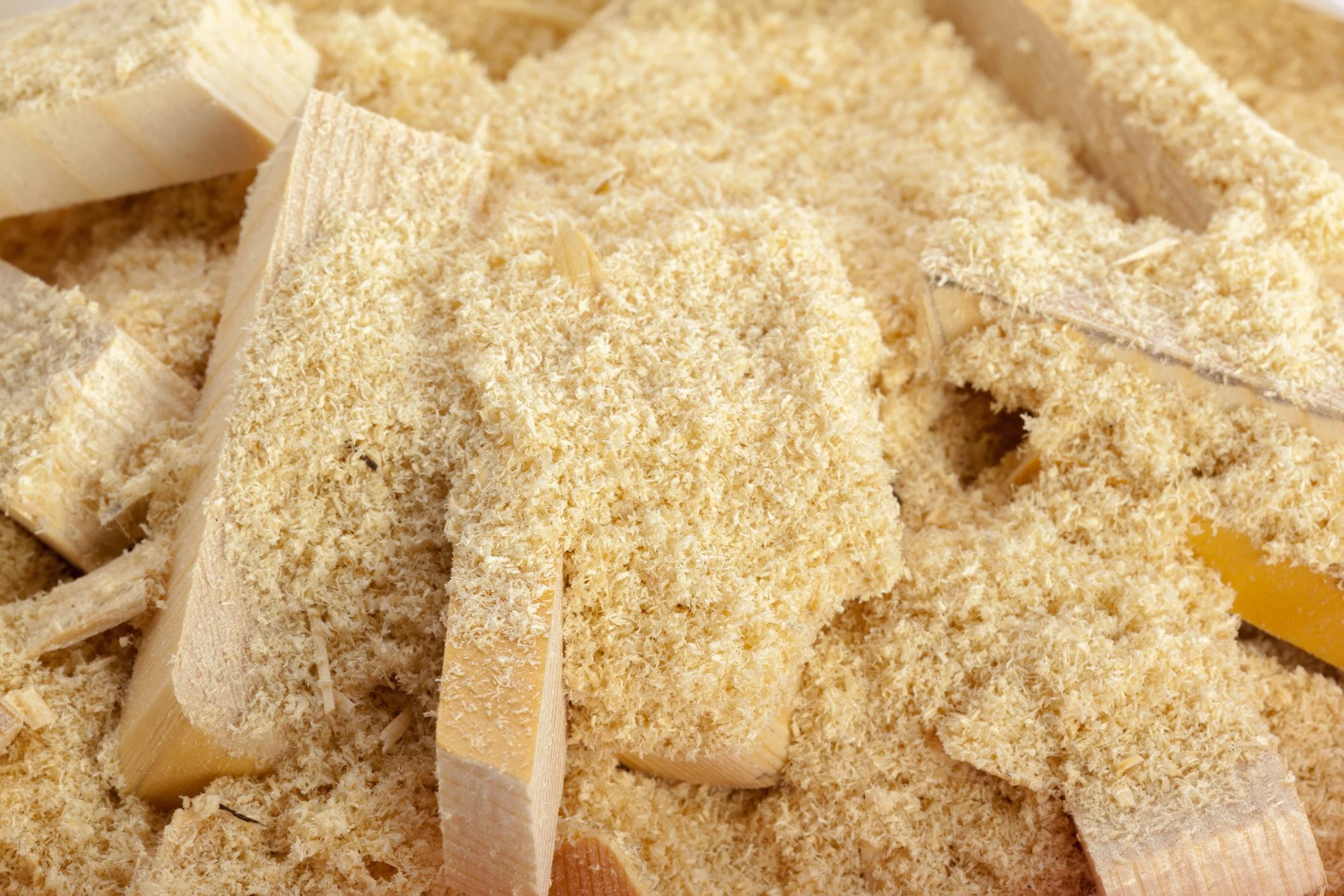


Sawdust is used as bedding material absorbent and industrial raw material.
Sawdust is a versatile woodworking byproduct with applications ranging from garden mulch and animal bedding to industrial uses in manufactured wood products and spill cleanup. It also presents a health hazard if inhaled frequently, as wood dust is a Group 1 carcinogen, and poses a significant fire risk in manufacturing settings.
Practical Applications
Absorbent for Spills: Sawdust’s high absorbency makes it excellent for cleaning up liquid spills like oil, grease, paint, or general workshop messes. Simply sprinkle it on the spill, let it soak, and sweep it up.
Animal Bedding/Litter: Clean, untreated sawdust (avoid black walnut or treated woods, which can be toxic) is an effective and absorbent bedding for a variety of animals, from small pets like guinea pigs and rabbits to livestock like chickens and horses.
Fire Starters: Mixing fine sawdust with melted wax or old candle stubs in a mold (like an egg carton) creates effective, long-burning fire starters for fireplaces, wood stoves, or campfires.
Traction Aid: Sprinkling sawdust on icy walkways or driveways provides immediate traction, serving as an eco-friendly alternative to salt that won’t damage concrete or harm plants and pets.
Wood Filler: Fine sawdust can be mixed with wood glue (like PVA glue) to create a custom-tinted, putty-like wood filler for patching small cracks, gaps, or holes in wood projects.
Safe Paint Disposal: Leftover paint in cans can be solidified for safe disposal by mixing in sawdust and allowing the mixture to dry and harden.
Hand Cleaner: Rubbing hands with sawdust helps remove stubborn substances like grease and oil, offering a slightly abrasive and natural cleaning method.
Garden and Home Uses
Compost Addition: Sawdust is a carbon-rich (“brown”) material that balances nitrogen-rich (“green”) waste (like grass clippings and food scraps) in a compost pile. It should be added in thin layers to avoid disrupting the composting process.
Mulch and Weed Control: A layer of sawdust mulch helps retain soil moisture, suppress weeds, and regulate soil temperature. Adding nitrogen-rich fertilizer or material, such as grass clippings, is recommended to prevent the sawdust from depleting soil nitrogen as it decomposes.
Mushroom Cultivation: Hardwood sawdust (like oak or beech) is an excellent substrate for growing various types of mushrooms, such as oyster and shiitake varieties.
Pathways: Sawdust can be used to create natural, soft garden paths, which also helps suppress weeds in the area.
Industrial and Commercial Uses
Manufactured Wood Products: Sawdust is a main component in the production of engineered wood products like particleboard.
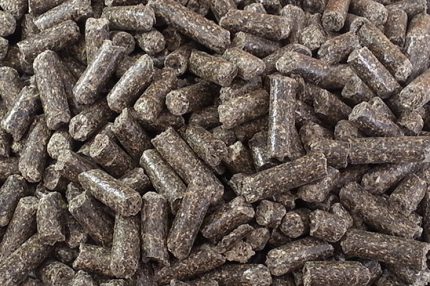
Biofuel: Sawdust can be compressed into dense pellets or briquettes for use as a sustainable and efficient fuel source in wood stoves and boilers.
Construction Material Additive: Research is exploring the use of treated sawdust as a partial substitute for sand or aggregates in concrete and bricks to produce a more lightweight, insulating, and environmentally friendly building material.
Chemical Production: Sawdust is a versatile lignocellulosic compound used in the production of activated carbon and for water remediation technologies to remove pollutants.