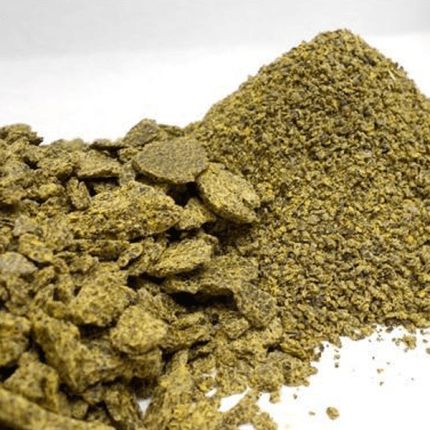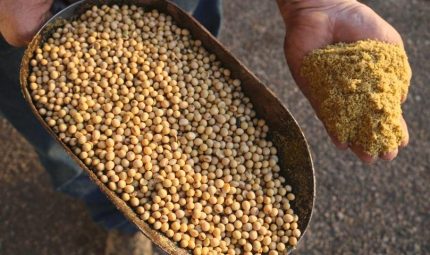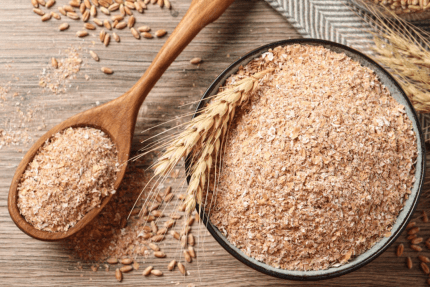

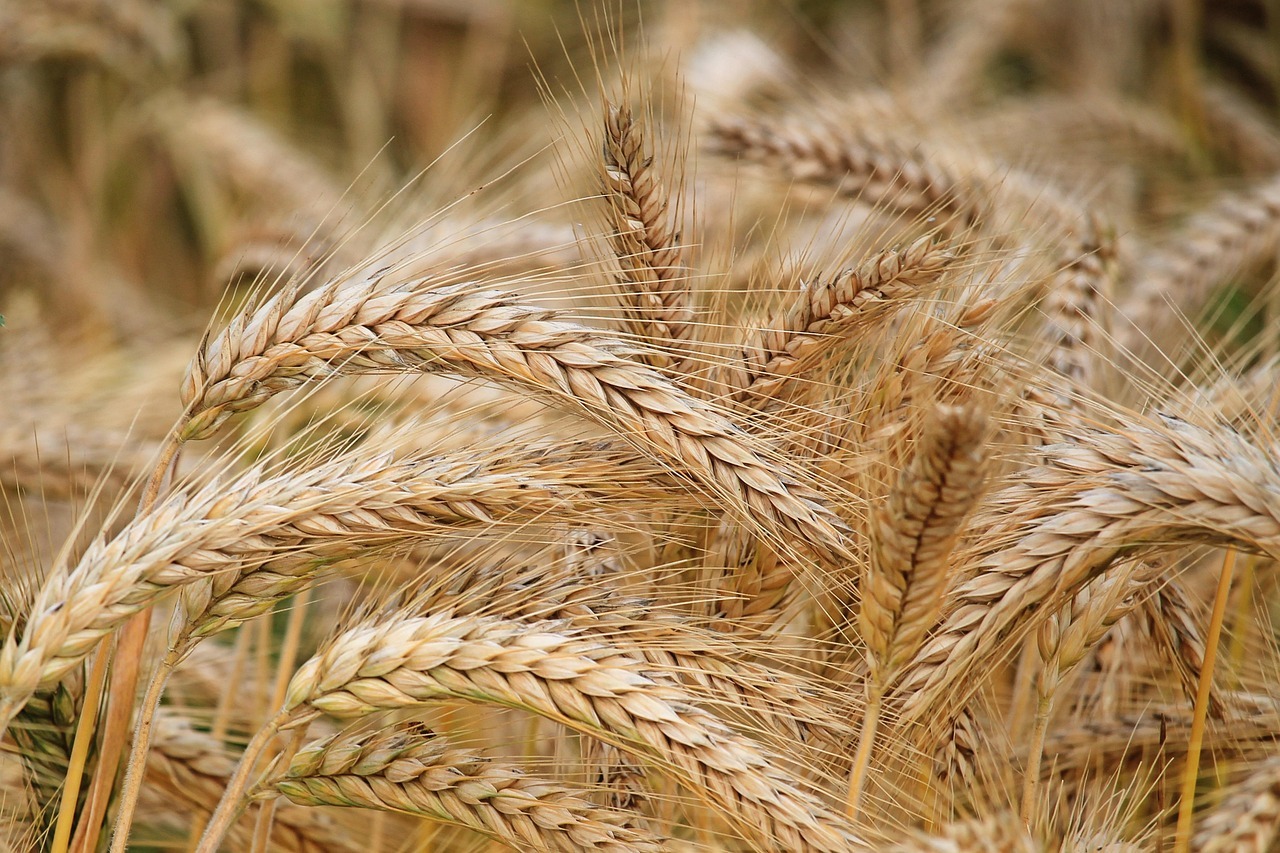


Barley is used as a grain feed ingredient for livestock.
Barley is a primary energy and protein source in livestock nutrition, with approximately 85% of global production used for animal feed. It is particularly valued in beef and dairy cattle diets, often competing directly with corn and wheat.
Nutritional Profile
Compared to corn, barley generally offers:
Higher Protein: Contains approximately 11–12% crude protein.
Higher Fiber: Resulting from its fibrous hull, which helps stabilize gut function in ruminants.
Lower Energy: It has about 95% of the metabolisable energy of maize due to its higher fiber content.
Essential Minerals: Richer in potassium, calcium, copper, and manganese than corn.
Usage by Livestock Type
Cattle: Ideal for finishing beef cattle and improving milk yield in dairy cows. It must be processed (rolled or ground) for large ruminants to ensure digestibility.
Swine: Supports lean muscle development. While it can be a sole grain source, it is often limited to 40% of the diet for weaner pigs to maintain performance.
Poultry: Older birds utilize it better than younger chicks. High inclusion rates can cause “sticky droppings” due to ß-glucans, so enzyme supplementation is often required.
Sheep & Goats: Highly palatable and usually requires less processing for lambs than for larger cattle.
Processing & Management
Methods: Common techniques include dry-rolling, tempering, steam-flaking, and grinding.
Rumen Health: Because barley starch ferments rapidly, it should be introduced gradually to prevent acidosis and bloat.
Sprouted Barley: Hydroponic fodder (barley sprouts) is used as a highly digestible, nutrient-dense fresh feed option.