
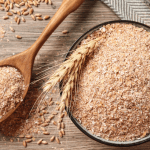
Dried Distillers Grains with Solubles (DDGS)

DDGS is used in livestock feed as an energy and protein source.
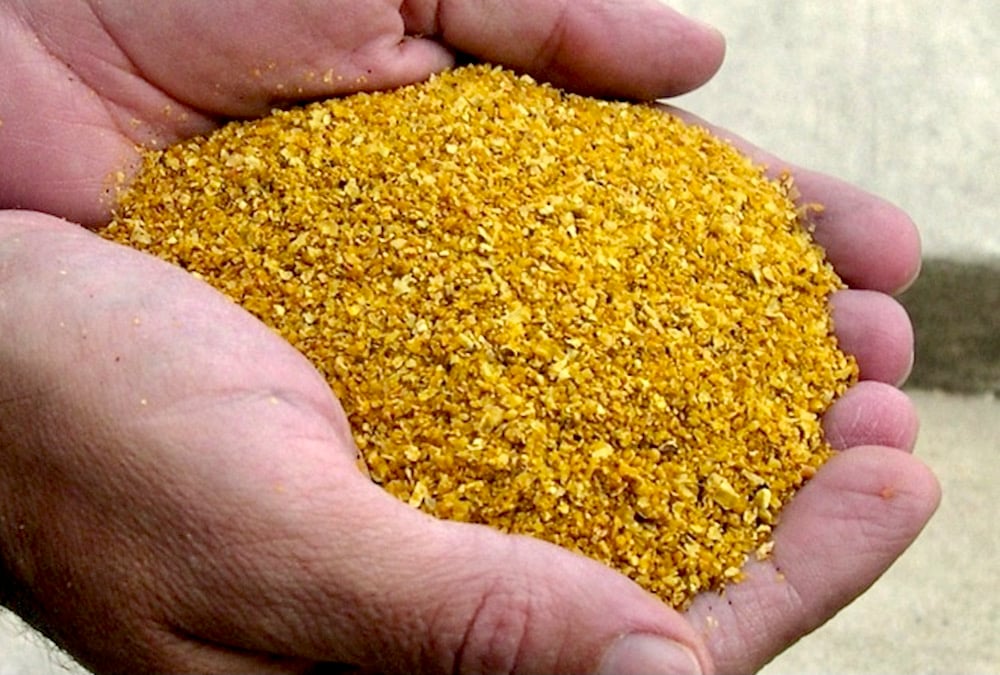
Dried Distillers Grains with Solubles (DDGS) is a high-protein (typically 26–30%), energy-rich, and cost-effective co-product of ethanol production used in livestock feed. It provides essential nutrients, including fat, fiber, and amino acids, which improve performance in cattle, poultry, and swine.
Production Process
DDGS is primarily produced during the dry-milling process of ethanol production from grains like corn, wheat, or sorghum. The process involves several key stages:
Grinding: The whole grains are ground into a fine powder.
Cooking & Liquefaction: The ground material is mixed with water and enzymes, then heated to break down the starch into simple sugars.
Fermentation: Yeast is added to the cooled mixture (mash), which ferments the sugars into ethanol and carbon dioxide.
Distillation: The ethanol is removed via distillation, leaving behind a non-volatile residue called whole stillage.
Separation & Drying: The whole stillage is separated into a liquid fraction (thin stillage) and a solid fraction (wet cake) through centrifugation. The thin stillage is concentrated into a syrup via evaporation and then blended back with the wet cake. The resulting mixture is dried to a moisture content of around 10-12% to produce the final DDGS product, which has a long shelf life and is easier to transport than wet distillers grains (WDG).
Key Nutritional and Functional Benefits:
Energy and Protein Source: The high fat and fiber content provide significant energy, while the high protein content supports muscle development and milk production.
Cattle Feed: Ideal for beef and dairy, enhancing growth and milk yield. It serves as a good source of rumen bypass protein, particularly in maize-based DDGS.
Poultry and Swine: Used to replace more expensive ingredients, typically included at up to 15% or higher with proper formulation.
Cost-Effective: Often serves as a, lower-cost alternative to soybean meal and corn.
Considerations:
Inclusion Rates: Generally recommended at 10–20% for cattle.
Nutrient Variability: High levels of sulfur (0.35 to 1.4%) exist, necessitating monitoring to avoid toxicity in cattle.
Quality Factors: The nutritional value can be affected by the heat used during the drying process. Contact Us