

Hydrogel materials are used in water retention soil conditioning and environmental management applications.
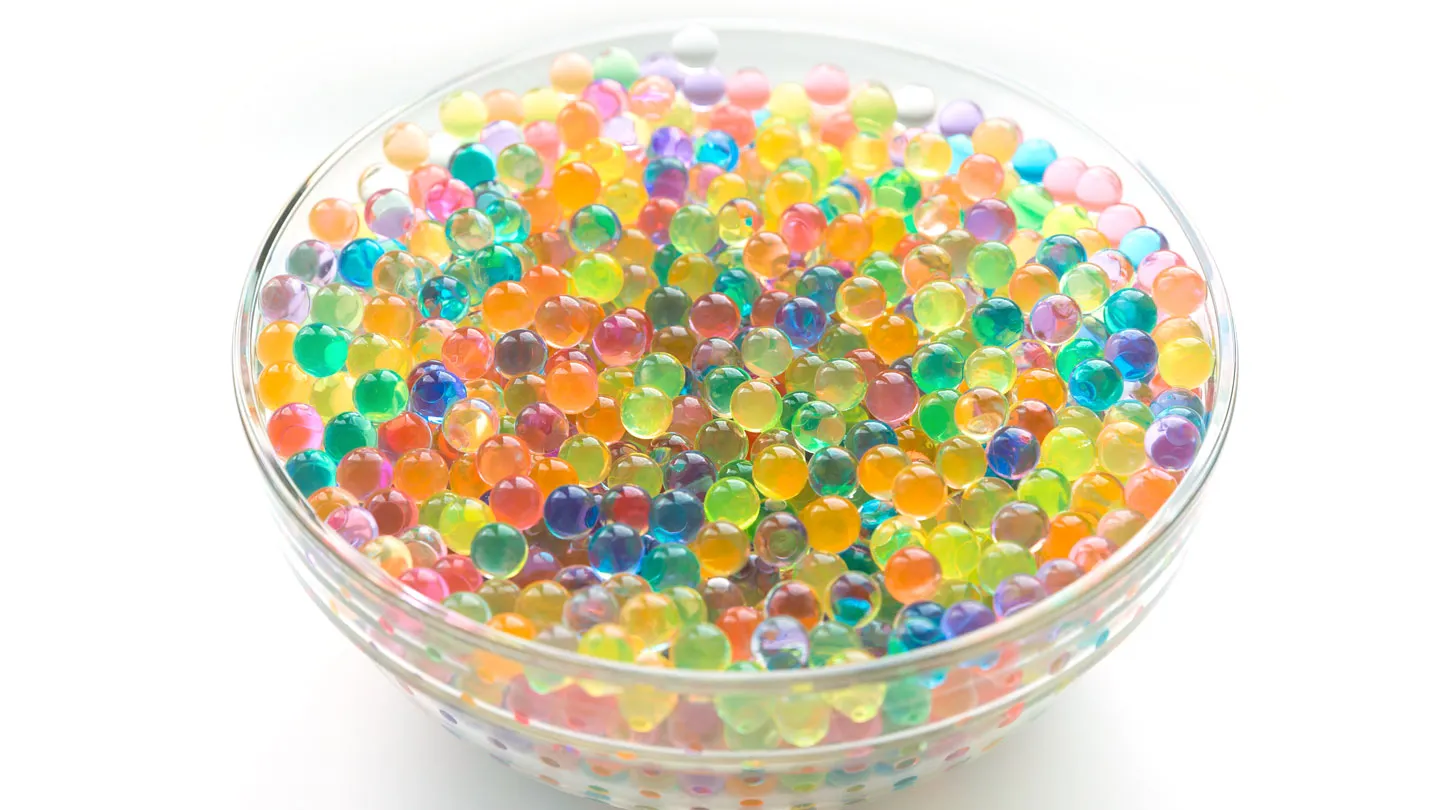
Hydrogels are three-dimensional, cross-linked networks of hydrophilic polymers that can absorb and retain, or release, high amounts of water (up to 99% of their weight) while maintaining a solid-like structure. They are highly biocompatible, often mimicking living tissue, and are widely used in wound dressings, drug delivery, contact lenses, hygiene products, and agriculture.
Key Characteristics and Components
Structure: They consist of a water-insoluble network of polymers.
Absorption: They swell and hold water due to hydrophilic functional groups attached to the polymer backbone.
Composition:
They can be derived from natural polymers (e.g., collagen, chitosan) or synthetic materials
Types: Classified into physical gels (temporary, reversible, “hook-and-loop” type) and chemical gels (permanent, covalently bonded).
Major Applications
Medical & Healthcare: Wound dressings for moist healing, drug delivery systems, tissue engineering scaffolds, and soft contact lenses.
Personal Hygiene: Highly absorbent material in diapers and sanitary pads.
Agriculture: Water-retaining soil additives for drought management.
Technology: Soft robots, sensors, and water filtration systems.
Hydrogels are particularly valued in medicine for their ability to be designed to stretch and flex with the body, mimicking soft tissue more closely than rigid materials.