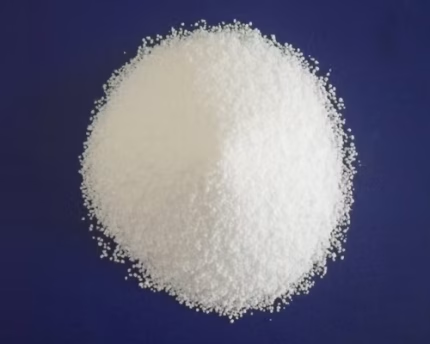



Description
Sodium bisulfite is used in water treatment dechlorination and environmental chemical control.
The most common application of sodium bisulfite is found in the food and beverage industry. As a preservative (E222), it is instrumental in preventing oxidative browning in sliced fruits and vegetables, maintaining the aesthetic appeal of produce. In winemaking, it serves a dual purpose: it inhibits the growth of wild yeast and bacteria while protecting the delicate flavours and colours of the wine from oxygen damage. Furthermore, it acts as a dough conditioner in the commercial baking of crackers and biscuits by breaking down gluten proteins, resulting in a more pliable dough.
Beyond the kitchen, sodium bisulfite is a cornerstone of environmental engineering. In water treatment facilities, it is the primary chemical used for dechlorination. After water has been treated with chlorine to kill pathogens, sodium bisulfite is added to neutralise the residual chlorine before the water is released back into natural ecosystems, thereby protecting aquatic life from chemical toxicity.