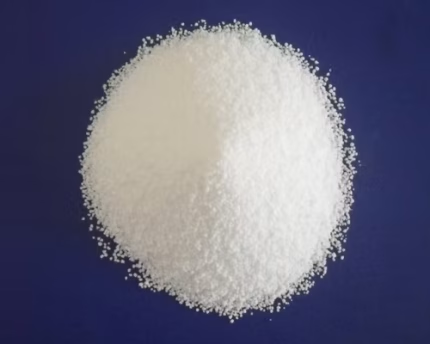

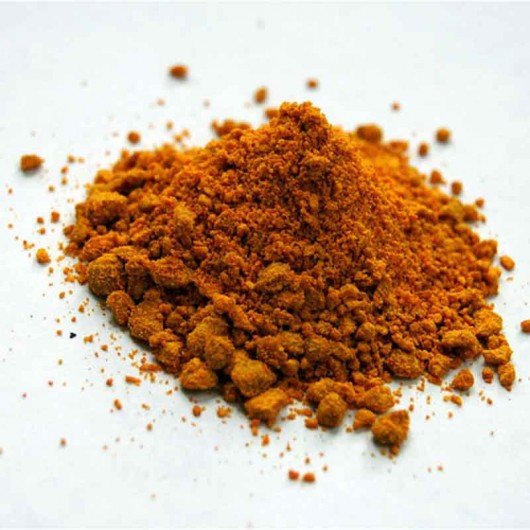


Ferric chloride is widely used in water and wastewater treatment for coagulation phosphorus removal and sludge conditioning.
Key Properties
Appearance: The anhydrous form is a dark green to black crystalline solid, which appears violet when light passes through its crystals. The aqueous solution is a corrosive, brownish-orange or pale yellow liquid with a faint hydrochloric acid odor.
Lewis Acid: It is a strong Lewis acid, a property that makes it a valuable catalyst in various organic synthesis reactions, such as Friedel-Crafts.
Solubility: Highly soluble in water, this dissolution is an exothermic reaction and produces an acidic solution. It also dissolves in other polar solvents like acetone and alcohols.
Corrosivity: It is a highly corrosive substance that reacts with most metals (except titanium) and body tissues, requiring careful handling and storage in non-metallic containers (e.g., specific plastics or glass).
Common Uses
Water and Wastewater Treatment: Its primary use is as an effective coagulant and flocculant to remove impurities, suspended solids, heavy metals, and phosphates, aiding in water purification and sewage treatment.
Electronics Industry: It is a common etching agent for manufacturing printed circuit boards (PCBs) by dissolving exposed copper.
Metallurgy: It serves as a pickling agent to clean metal surfaces of rust and scale and is used in etching patterns on metals like Damascus steel.
Laboratories and Art: It is used as a laboratory reagent for qualitative tests (like detecting phenols) and by artists for printmaking and creating patinas on metals.
Textiles: In the textile industry, it is used as a mordant to help fix dyes to fabrics.
Safety and Handling
Ferric chloride is hazardous and must be handled with appropriate precautions.
Hazards: It is harmful if swallowed, causes skin irritation/burns, and can cause serious eye damage. Inhalation of dust or fumes can irritate the respiratory tract.
Personal Protective Equipment (PPE): Always wear chemical-resistant gloves (neoprene or nitrile), splash-proof safety goggles, a face shield, and protective clothing.
Ventilation: Use only in well-ventilated areas to avoid inhaling acidic fumes.
First Aid:
Skin/Eye Contact: Immediately flush with plenty of water for at least 15-20 minutes and seek medical attention.
Ingestion: Rinse mouth, give water to drink, but do not induce vomiting, and seek immediate medical attention.
Inhalation: Move to fresh air.
Storage: Store in corrosion-resistant, non-metallic containers (e.g., HDPE plastic) away from incompatible materials such as alkalis and other metals.