
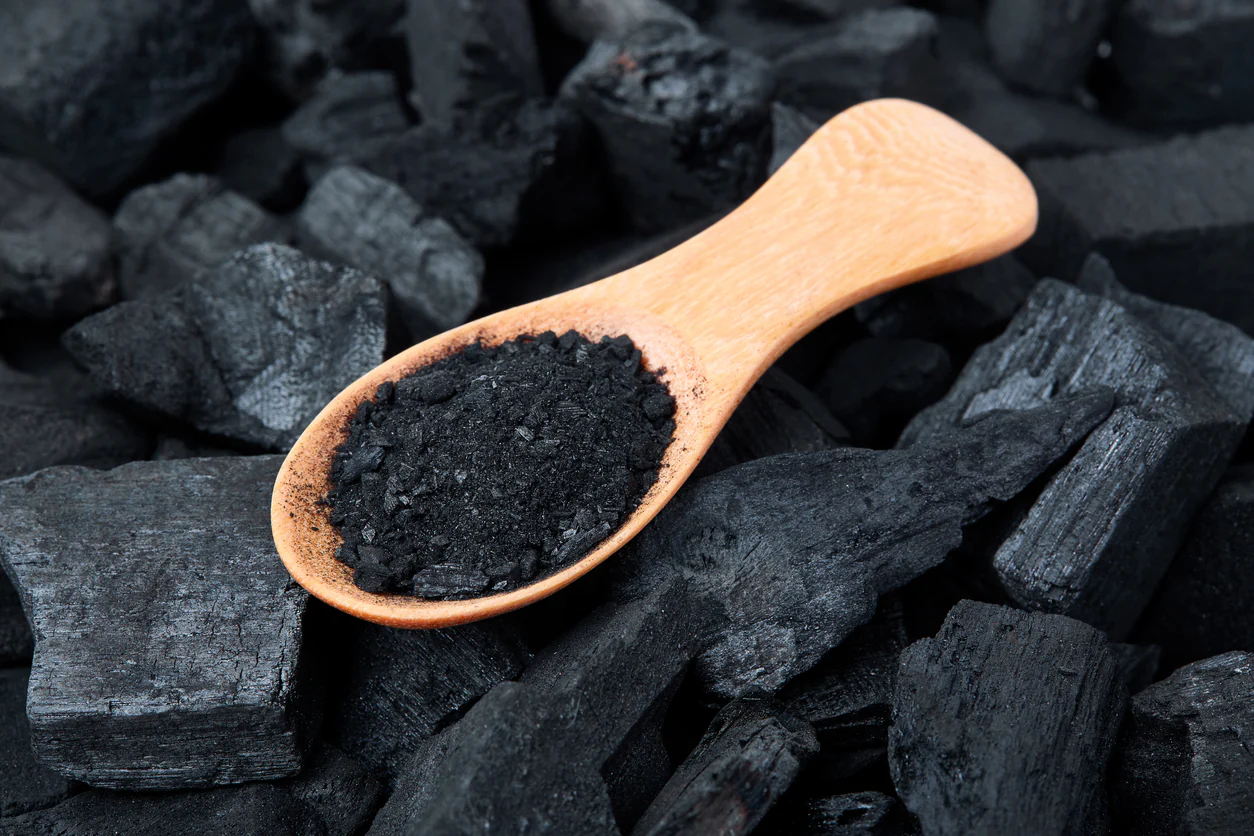


Activated carbon is widely used for water purification air filtration and environmental treatment applications due to its high adsorption capacity.
Activated carbon is a highly porous material produced from carbon-rich sources like coconut shells or coal, designed with a massive surface area to adsorb contaminants from liquids and gases. It works by trapping impurities via Van der Waals forces, making it essential for water purification (removing chlorine, organic compounds), air filtration, medical poison treatment, and industrial purification.
Common Uses of Activated Carbon
Water Treatment: Used in municipal, residential, and borehole systems to remove chlorine, odor, taste, pesticides, and suspended organic pollutants.
Air Filtration: Removes volatile organic compounds (VOCs), odors, and pollutants in HVAC systems and air purifiers.
Medical Applications: Used as an emergency antidote for specific poisonings and drug overdoses due to its ability to bind to toxins in the stomach.
Industrial/Food Industry: Used for purifying liquids like sugar, beverages, and in gold recovery.
Aquarium Maintenance: Clears water discoloration and removes harmful substances.
How Activated Carbon Works
Activated carbon operates through adsorption, not absorption. It acts like a molecular “sponge,” where contaminants (adsorbate) are attracted to and adhere to the surface area of the porous carbon (adsorbent). The activation process (using steam or chemicals) creates a complex pore structure that maximizes this surface area.
Health Benefits of Activated Carbon
Toxin Removal: Effective in emergency medicine to treat overdoses and poisonings within 30–60 minutes of ingestion.
Digestive Relief: Used to reduce gas, flatulence, and bloating.
Kidney Function: May assist with kidney function by filtering out toxins.
Side Effects and Safety
While generally safe, activated carbon can have side effects:
Side Effects: Common side effects include constipation, black stools, and vomiting.
Precautions: It can interfere with the absorption of medications, so it should not be taken within two hours of medication. It should only be used for poisoning under medical supervision.
Activated Carbon in Water Treatment
Granular Activated Carbon (GAC) is commonly used in water treatment filters. It works by allowing water to pass through, where organic, non-polar substances (like chlorine and oils) are trapped in the pores. It is highly effective for improving taste and removing odor-causing compounds.