

Understanding Yellow Corn: A Key Component in Animal Feed
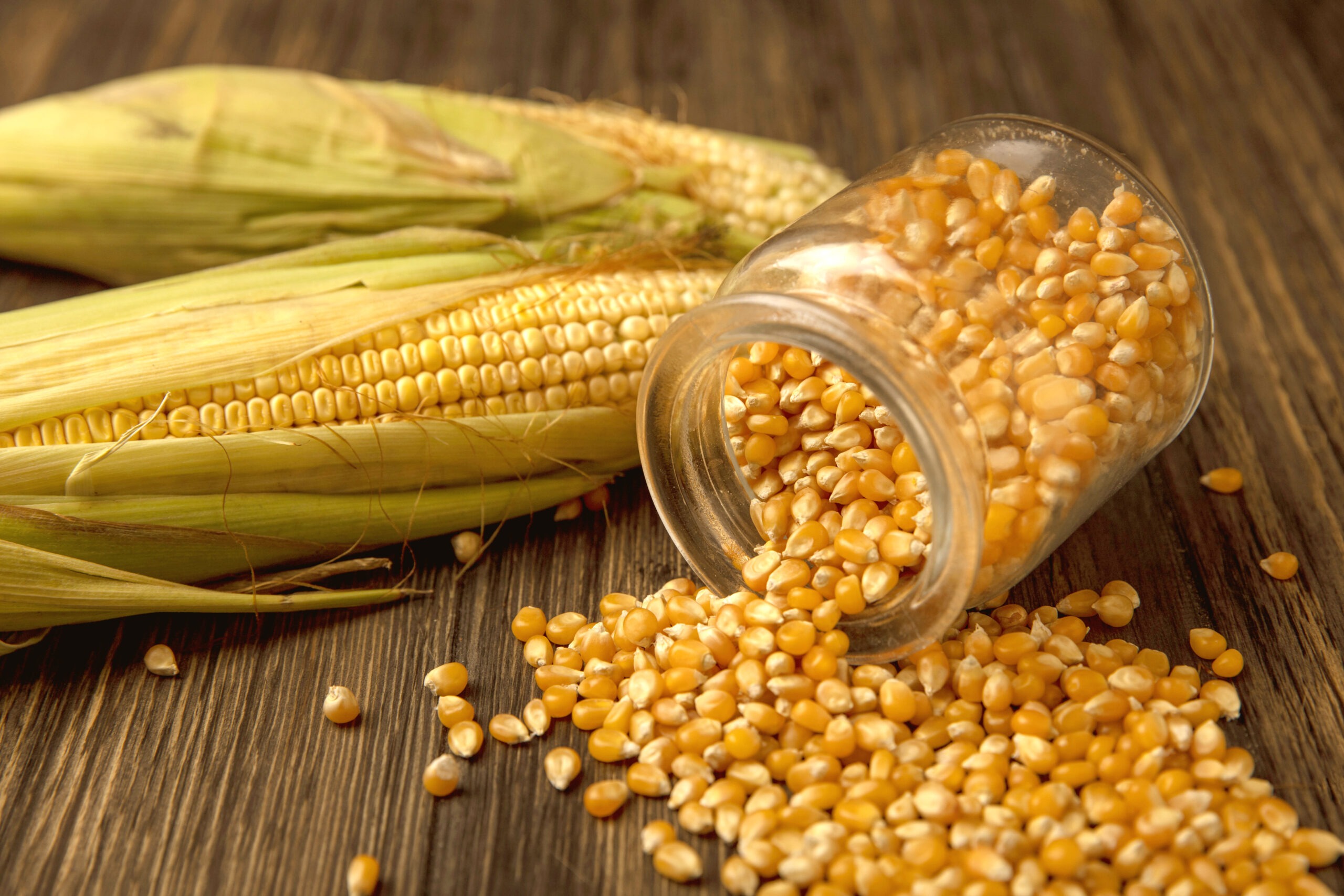
Yellow corn, also known as maize, is a staple in agricultural communities worldwide. When it comes to animal husbandry, yellow corn stands out as a primary energy source in animal feed. Its significance in livestock nutrition cannot be overstated. This article will explore the nutritional benefits, usage, and the impact of yellow corn in the animal feed industry.
Nutritional Benefits
One of the primary reasons yellow corn is favored in animal feed is its high energy content. Rich in carbohydrates, it provides the essential calories needed for livestock. In particular, yellow corn contains around 70-75% starch, which is a crucial energy source for animals. This starch converts into glucose, fueling growth and maintaining overall health in livestock.
Additionally, yellow corn is a solid source of several vitamins and minerals, including vitamin A, vitamin E, and potassium. These nutrients play vital roles in maintaining immune function and supporting overall health in animals. The natural carotenoids that give yellow corn its vibrant hue also act as antioxidants, which are beneficial for animals’ wellbeing.
Yellow Corn in Livestock Diets
Yellow corn is not only versatile but also easy to incorporate into various animal diets. It can be fed as whole kernels, ground, or processed into corn meal and silage. Different livestock species have specific nutritional needs, and yellow corn can be adjusted to meet those needs effectively. For example:
– Cattle: Yellow corn is a significant component of cattle feedlot rations. Its high energy content helps achieve optimal weight gain, enhancing meat production.
– Poultry: In poultry diets, yellow corn serves as an energy-rich ingredient that contributes to the overall diet’s calorie density, facilitating growth, egg production, and improved feed efficiency.
– Swine: Similar to poultry, pigs thrive on diets that include yellow corn. It supports their rapid growth and overall health during critical stages of development.
Economic Impact
The economic implications of yellow corn in animal feed are noteworthy. Given its affordability and widespread availability, it serves as a cost-effective feed option for farmers and livestock producers. The low production costs associated with yellow corn allow farmers to provide balanced nutrition to their livestock without breaking the bank.
Moreover, the extensive reliance on yellow corn in animal feed contributes significantly to the agricultural economy. As a leading crop in many countries, its production and distribution create jobs and support local economies. The surplus of yellow corn enhances food security, as it can be stored and used during off-seasons, ensuring that animals have continuous access to essential nutrients.
The Environmental Considerations
While yellow corn is a vital resource in animal feed, it’s essential to acknowledge the environmental considerations related to its production. Intensive agriculture can lead to issues such as soil degradation, water consumption, and pesticide usage. However, sustainable farming practices are emerging, focusing on reducing the ecological footprint of corn production.
Innovations such as crop rotation, the adoption of organic farming techniques, and precision agriculture are making strides in mitigating negative impacts. These methods not only help in maintaining soil health but also enhance the quality of yellow corn, resulting in better nutrition for livestock.
Future Trends in Yellow Corn Usage
As the demand for animal products continues to grow, yellow corn will likely remain a significant player in the feed market. Research into more nutrient-dense hybrids of yellow corn is ongoing, with an emphasis on improving its digestibility and nutritional profile. Advances in biotechnology may also pave the way for varieties that are more resilient to climate change, ensuring stable production in varying environmental conditions.
Furthermore, the integration of yellow corn in alternative feed formulations, such as those aimed at reducing methane emissions from ruminants, showcases the adaptability of this crop. The ability to combine yellow corn with other ingredients could lead to innovative feed solutions that support animal health while addressing environmental concerns.
Conclusion
In summary, yellow corn is a fundamental energy source in animal feed, offering numerous nutritional benefits and significant economic value. Its adaptability across various livestock diets and the ongoing advancements in its cultivation make it a staple in the agricultural sector. As we move forward, balancing the benefits of yellow corn with sustainable practices will be crucial for meeting the growing demands of livestock agriculture while preserving our environment. With its crucial role, yellow corn stands poised to remain at the forefront of animal nutrition. Contact Us for more information