
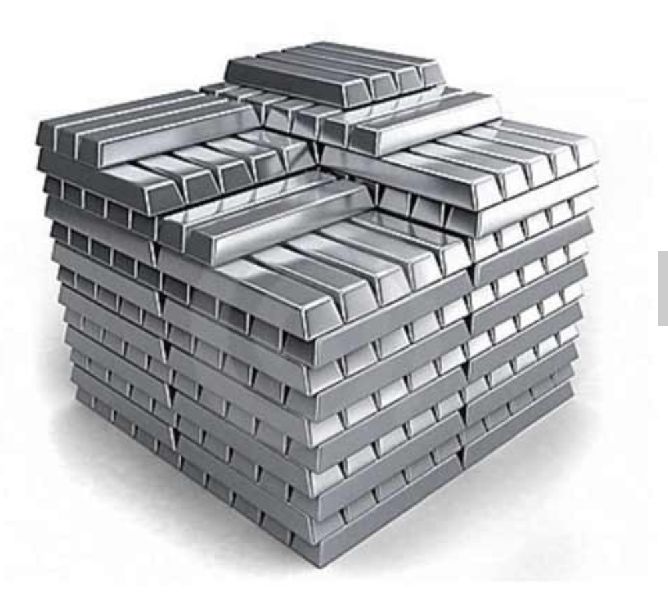
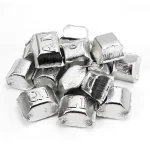


Zinc ingots are used in galvanizing alloy production and metallurgy.
Zinc ingots are high-purity (often 99.995% SHG) blocks of zinc metal, primarily used for corrosion protection through galvanizing, die-casting alloys (like brass), and chemical production. They are characterized by their blue-white, shiny appearance, high durability, and resistance to rust. Key types include Prime Western, Special High Grade (SHG), and various alloys.
Key Properties and Characteristics
Purity: Commonly 99.995% (Special High Grade or SHG).
Physical State: Brittle at room temperature but becomes malleable between 100°C and 150°C.
Resistance: Highly resistant to rust and corrosion.
Melting Point: Relatively low at 419.53 °C.
Main Industrial Applications
Galvanizing: Over 50% of zinc ingots are used for hot-dip galvanizing, creating a protective coating on steel to prevent corrosion.
Die-Casting Alloys: Used in the production of brass and various Zinc-Aluminum (ZA) alloys for automotive and precision components.
Chemical Industry: Used to produce zinc oxide for rubber, ceramics, and pharmaceuticals.
Sacrificial Anodes: Used in marine applications to protect ships and pipelines from corrosion.
Forms and Grades
SHG (Special High Grade): 99.995% purity, often used for galvanizing and alloys.
Prime Western: Typically used in continuous galvanizing.
Alloys: Customized Zinc-Aluminum-Copper alloys (e.g., ZL5, ZL12).