
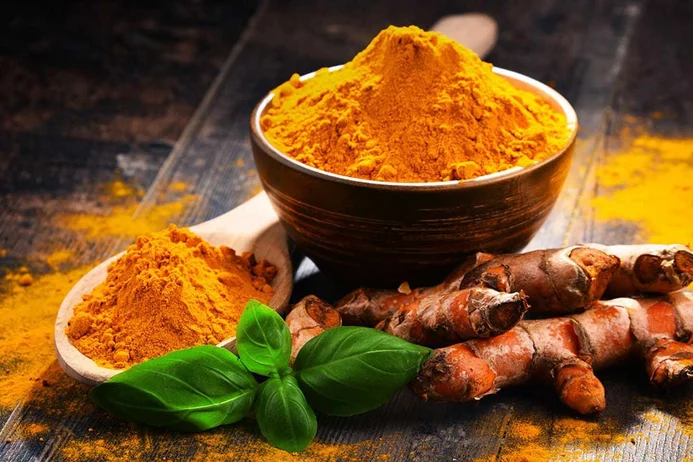


Turmeric is supplied as a spice and food ingredient commodity used in food processing seasoning and nutraceutical applications.
Culinary Uses
Turmeric adds a warm, earthy flavor with hints of ginger and orange, and a deep golden color to dishes.
Curries and Stews: It is a core ingredient in many South Asian and Middle Eastern cuisines, providing color and depth of flavor to curries, dals, and stews.
Rice Dishes: Turmeric can be added to plain white rice to give it a rich, golden color and a mild flavor, a traditional South African dish known as geelrys (yellow rice).
Beverages: It is the primary ingredient in “golden milk” (turmeric latte), a warm drink made with milk, black pepper, and other spices. It can also be added to smoothies, teas, and juices.
Seasoning: Sprinkle turmeric powder on roasted vegetables, eggs, or into soups and salad dressings for a nutritious boost.
Absorption Tip: To maximize the absorption of curcumin, which has low bioavailability on its own, always combine turmeric with black pepper, which contains piperine, or a healthy fat like olive oil or coconut oil.
Potential Health Benefits
The health benefits of turmeric are largely attributed to curcumin, its main active compound.
Anti-Inflammatory Properties: Curcumin helps the body combat chronic inflammation, which is a key factor in many chronic diseases. It may offer relief from pain and inflammation associated with conditions like osteoarthritis, performing as effectively as some NSAIDs in studies.
Antioxidant Effects: It acts as a potent antioxidant, neutralizing harmful free radicals and boosting the body’s own antioxidant enzymes, which helps protect cells from damage and may slow the aging process.
Digestive Health: Historically, turmeric has been used to treat various digestive complaints, including indigestion and inflammatory bowel conditions, by stimulating bile production and supporting gut health.
Heart and Brain Health: Studies suggest turmeric may help lower the risk of heart disease by managing cholesterol levels and blood pressure. Research also indicates potential benefits for brain health, including improved memory and a potential role in managing symptoms of depression and neurodegenerative conditions like Alzheimer’s disease.
Important Considerations
While safe in food amounts, high doses of turmeric via supplements may cause side effects like stomach upset, nausea, or dizziness. It may also interact with certain medications, including blood thinners and diabetes medications.
Always consult with a healthcare professional before taking turmeric in medicinal quantities, especially if you are pregnant, have a medical condition (like gallstones or an iron deficiency), or are on medication.