

Ginger is a widely traded agricultural commodity supplied fresh dried or processed for food manufacturing and ingredient use.
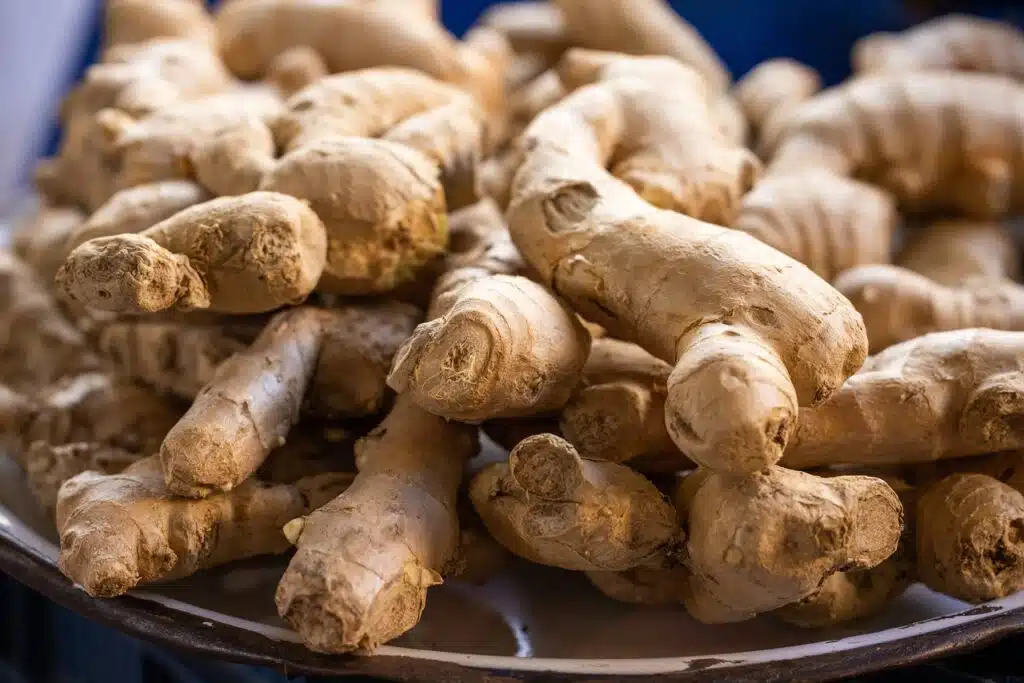
Ginger (Zingiber officinale) is a pungent, aromatic rhizome widely used as a spice and herbal remedy, known for its high gingerol content which aids digestion, reduces nausea, and provides anti-inflammatory benefits. It is commonly used fresh, dried, or powdered in cooking, tea, and medicine. Typical daily intake should not exceed 4 grams.
Key Aspects of Ginger
Health Benefits: Ginger is effective for alleviating nausea (including pregnancy-related morning sickness), reducing muscle pain and soreness, aiding digestion, and managing osteoarthritis symptoms. It also has potential to lower blood sugar and improve heart disease risk factors.
Active Compounds: The primary bioactive compound is gingerol, which has powerful anti-inflammatory and antioxidant properties.
Culinary Uses: Fresh ginger provides a hot, sweet, and pungent taste. It is used in curries, stir-fries, marinades, teas, and desserts, such as gingerbread.
Forms: Available as fresh root, dried powder, pickled (common in sushi), paste, or in tea.
Cultivation: It is a tropical, perennial plant grown for its rhizome, which is harvested after the plant’s leaves turn brown, usually within 8-10 months.