
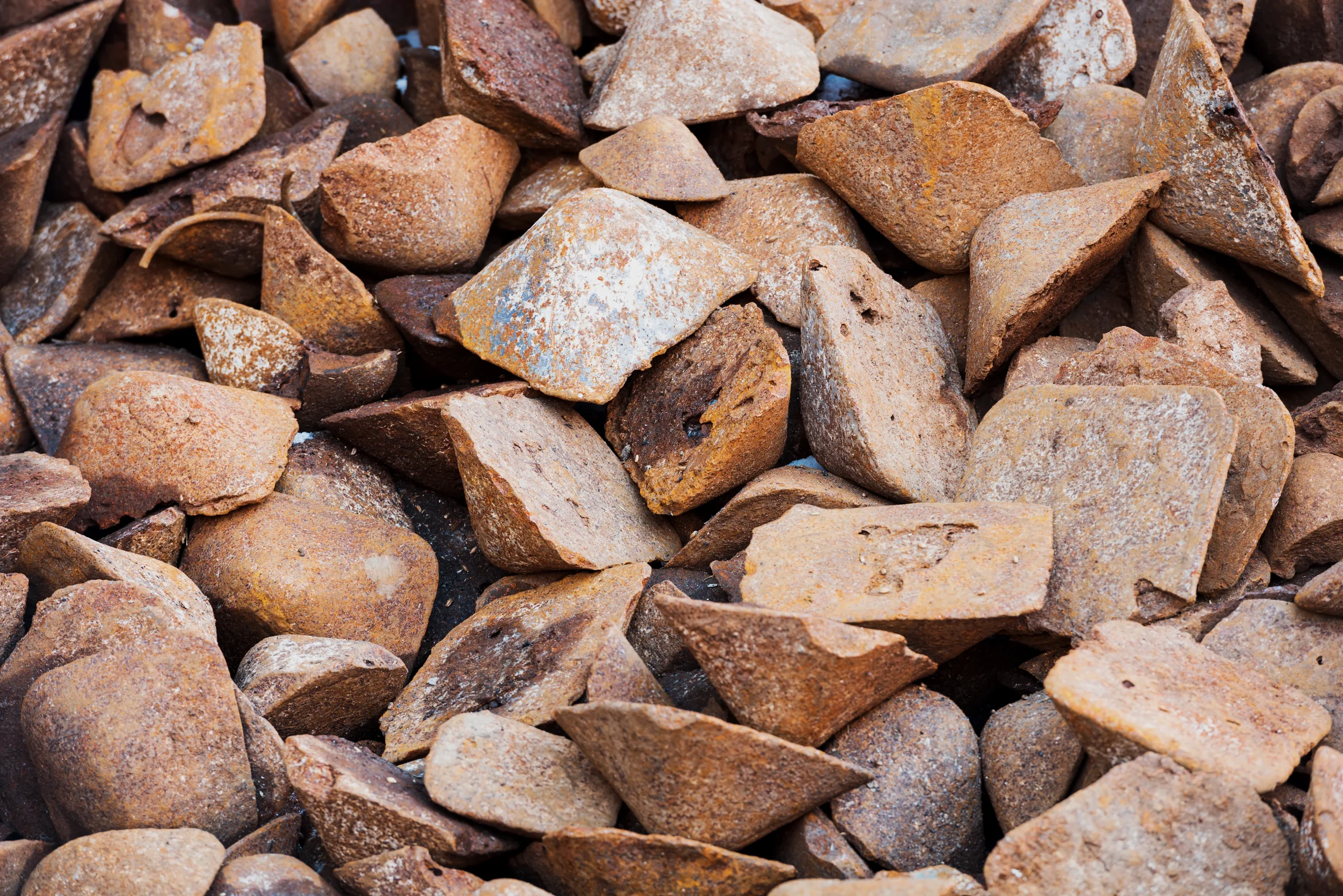

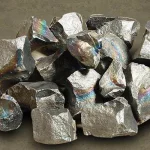

Pig iron is a primary iron product used as a raw material in steelmaking foundries and industrial metal processing.
Key Characteristics
High Carbon Content: Contains typically 3.5% to 4.5% carbon, which makes it extremely brittle and unsuitable for direct use in construction.
Composition: Besides carbon, it includes impurities like silicon, manganese, phosphorus, and sulphur.
The Name: It originated from the traditional sand-casting method where molten iron flowed into a central runner (the “sow”) feeding many smaller side molds (the “pigs”), resembling a litter of suckling piglets.
Primary Types
Basic Pig Iron: Used primarily in electric arc furnaces for steelmaking.
Foundry Pig Iron: Used for manufacturing grey iron castings in cupola furnaces.
Nodular (High Purity) Pig Iron: Specialized for ductile iron production, featuring ultra-low residual elements.
Production & Global Market
Method: Produced by smelting iron ore or as a byproduct of ilmenite smelting (for titanium dioxide).
Major Producers: China accounts for nearly 60% of global production, followed by India.
Environmental Impact: Production is energy-intensive, releasing approximately 2 tons of CO2 for every ton of pig iron produced.