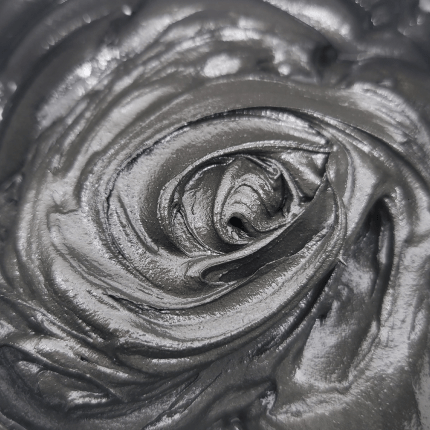

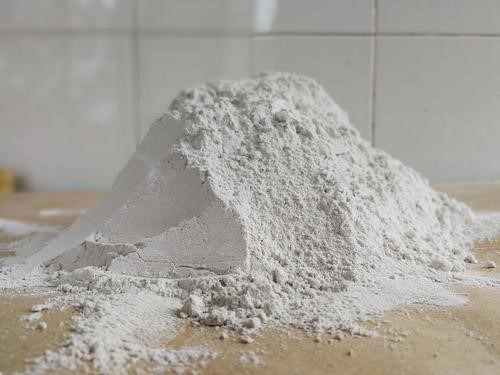



Sodium cyanide is used in gold and precious metal extraction processes. Core Applications
Mining: Used in the “cyanidation” process to dissolve and separate gold and silver from ore.
Industrial Chemistry: Acts as a feedstock for producing nitriles, dyes, and pigments.
Metal Treatment: Utilized in electroplating and case-hardening of steel to create smooth, durable finishes.
Niche Uses: Historically used as a fumigant and pesticide (e.g., rodenticide), though these uses are now heavily restricted or banned in many regions.
Health & Toxicity
Sodium cyanide is a potent inhibitor of cellular respiration. It binds to the enzyme cytochrome c oxidase in mitochondria, preventing cells from using oxygen, which lead to rapid tissue death.
Routes of Exposure: Ingestion, inhalation (especially when it reacts with moisture to form hydrogen cyanide gas), and skin/eye contact.
Lethal Dose: An oral dose of just 200–300 mg can be fatal to humans.
Symptoms: Early signs include headache, dizziness, and rapid breathing. Severe exposure leads to convulsions, coma, and respiratory failure.
Antidotes: Treatments include Hydroxocobalamin (Cyanokit) or the Cyanide Antidote Kit (amyl nitrite, sodium nitrite, and sodium thiosulfate).
Description