

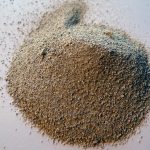

Hydroxamic acid is used as a collector in oxide mineral flotation.
Octyl Hydroxamic Acid (also known as Caprylohydroxamic Acid) is a versatile organic compound characterized by the formula. It is primarily recognized as a powerful chelating agent with significant applications in heavy industry, pharmaceuticals, and personal care.
General Properties
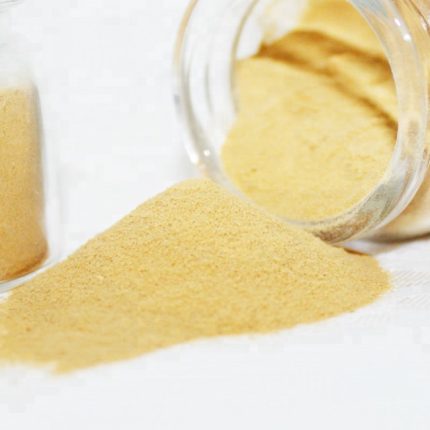
Appearance: Typically presents as a dark yellow solid or white to off-white crystalline powder.
Solubility: Readily soluble in water and alkaline solutions.
pH Profile: Maintains an optimal pH range of 10 to 13 for industrial collection and flotation.
Stability: It is a weak acid (weaker than its corresponding carboxylic acids) but forms highly stable five-membered ring structures when bonding with metal cations.
Key Applications
Mining & Metallurgy: It serves as a superior flotation collector for extracting rare earth minerals, copper oxides, wolframite, and hematite. It is often preferred over traditional collectors like sodium oleate for fine minerals due to its higher chemisorption affinity.
Cosmetics: Often marketed as Caprylohydroxamic Acid, it acts as a mild, naturally derived preservative (from coconut oil) that prevents microbial growth and chelates metal ions to stabilize formulations.
Pharmaceuticals: Investigated for use in cancer therapy, as a mutagenic agent, and as an inhibitor for specific enzymes like HDAC (histone deacetylase).
Environmental Remediation: Used to extract heavy metals from contaminated water and industrial effluents due to its strong metal ion chelation capabilities.
Industrial Benefits
High Selectivity: Effectively separates target minerals from complex ore matrices.
Eco-Friendly: Viewed as a greener alternative to traditional collectors like xanthates because it is odorless and has lower toxicity.
Corrosion Inhibition: Protects metal surfaces, such as cobalt, from oxidation and corrosion during industrial processes.