
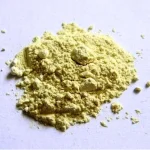
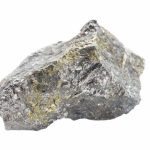

Nickel sulphate hexahydrate is used in electroplating battery production and industrial processing.
Core Properties
Chemical Identity: Also known as nickelous sulfate or blue salt. Its CAS number is 10101-97-0.
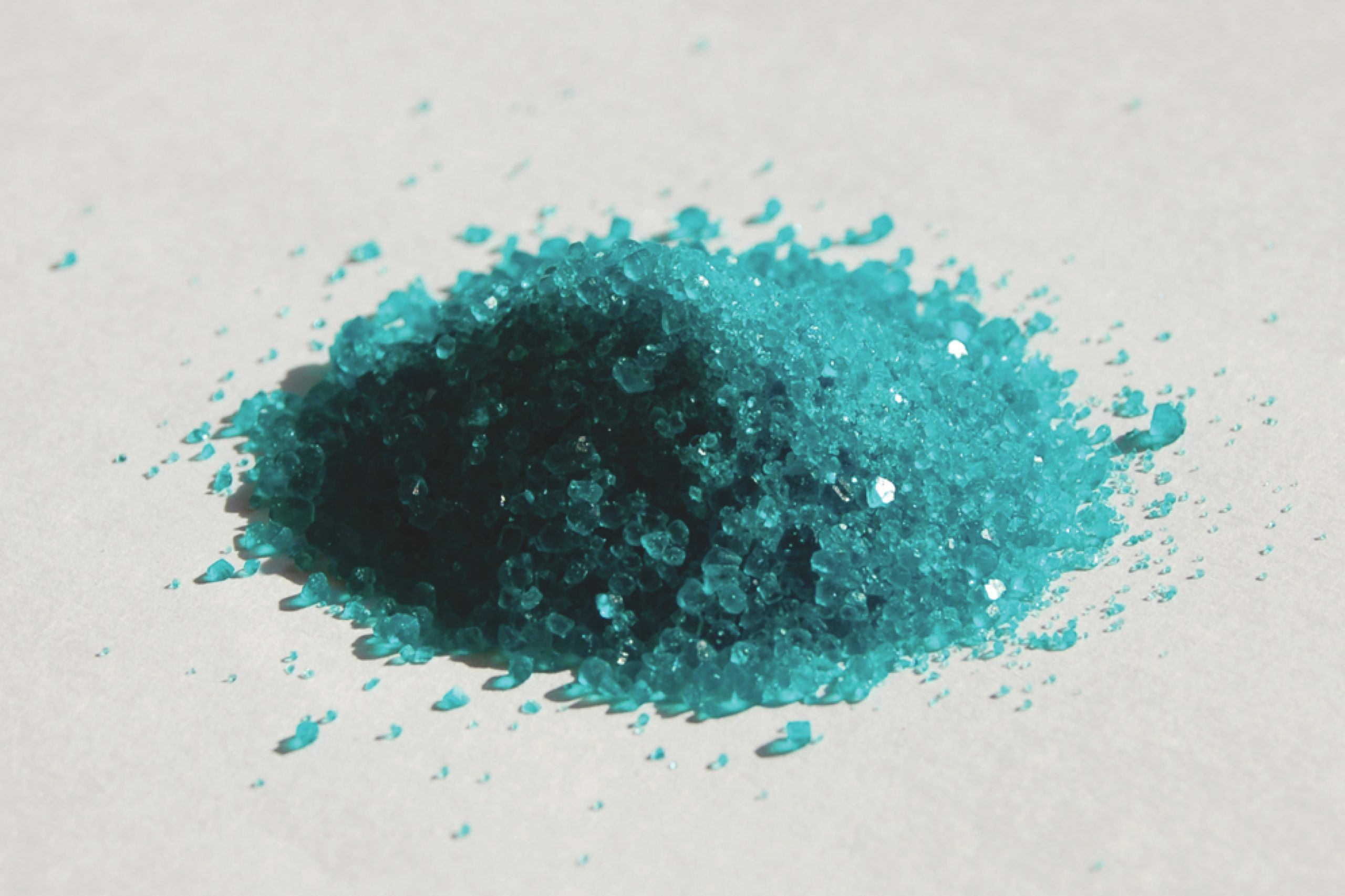
Physical Appearance: Distinctive emerald-green or turquoise crystalline powder or solid.
Solubility: Highly soluble in water (~650 g/L at 20°C) and methanol, but insoluble in ethanol and ether.
Thermal Stability: It loses its water of hydration at approximately 100°C (becoming anhydrous) and decomposes into nickel oxide and sulfur trioxide at temperatures above 840°C.
Primary Applications
Electroplating: The most common electrolyte used in Nickel Plating to provide corrosion resistance and decorative finishes on metals and plastics.
Battery Manufacturing: A critical precursor for cathode materials in lithium-ion batteries (NMC and NCA types), as well as nickel-cadmium (NiCd) and nickel-metal hydride (NiMH) cells.
Chemical Synthesis: Acts as a catalyst in organic synthesis (e.g., hydrogenation of fats) and a precursor for other nickel compounds like nickel carbonate.
Mordant: Used in the textile industry to fix dyes to fabrics and for blackening brass or zinc.
Health & Safety Hazards
Nickel sulfate hexahydrate is classified as a hazardous substance with several critical warnings:
Carcinogenicity: Classified as a Group 1A carcinogen; prolonged inhalation of dust or fumes is linked to lung and nasal cancers.
Allergen: A common cause of Contact Dermatitis (“nickel itch”) and can trigger asthma-like respiratory allergies.
Toxicity: Harmful if swallowed or inhaled. It is also highly toxic to aquatic life with long-lasting environmental effects.
Handling: Always use personal protective equipment (PPE), including gloves and respiratory protection, and work in well-ventilated areas or under a fume hood.