
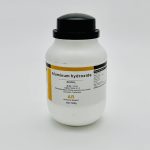
Aluminium Fillings

Description
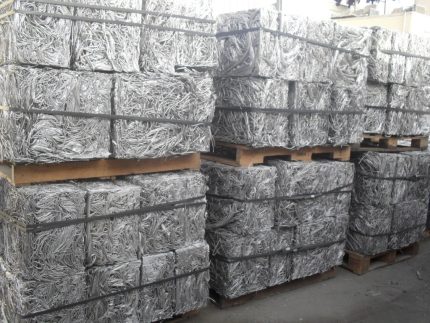
Aluminium filings are supplied for industrial metallurgical laboratory and manufacturing applications.
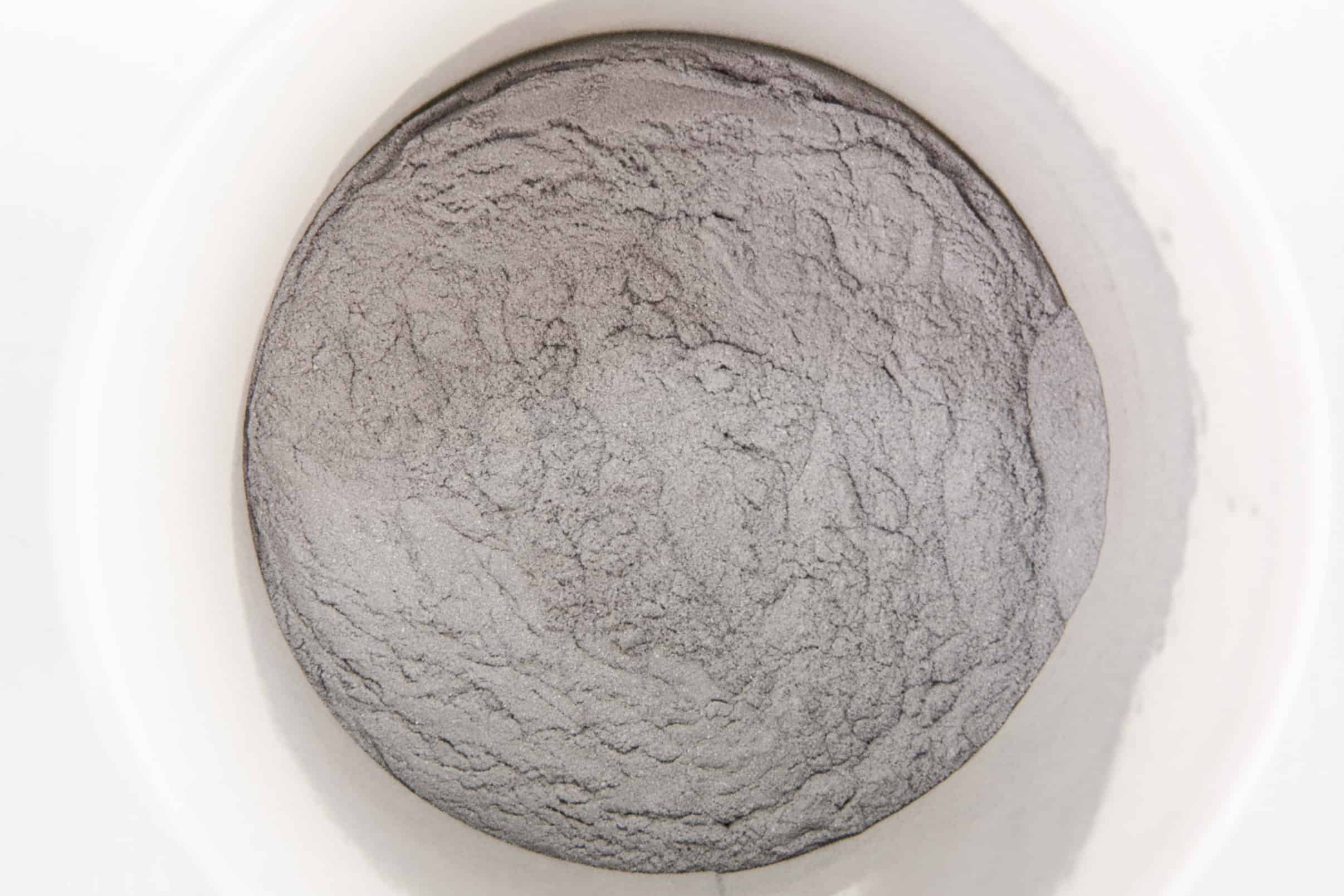
Aluminium fillings, or fillers, are primarily used as additives in resins to increase thermal conductivity, reduce shrinkage in castings, and improve compressive strength for industrial, automotive, and model-making applications. These powdered metals, often mixed with epoxy or polyurethane, serve as heat sinks and filling compounds for repairing metals.
Key Aspects of Aluminium Fillings:
- Applications: Commonly used in automotive repair, engine construction, and industrial casting for filling large surface areas.
- Properties: Atomised, screened powders (like RZ209/8) enhance resin properties, allowing for thicker, stronger castings.
- Repair Uses: Aluminium-filled epoxy is effective for repairing holes in aluminium surfaces.
- Alternatives (Welding): For joining aluminium, filler metals like 4043 (general-purpose) or 5356 (high-strength magnesium alloy) are used instead of powder fillers.
- Distinction: These are industrial materials and are not to be confused with dental “amalgam” fillings, which are mercury-based alloys.