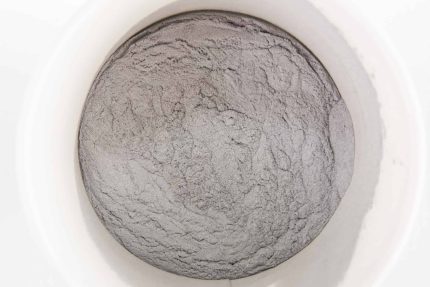

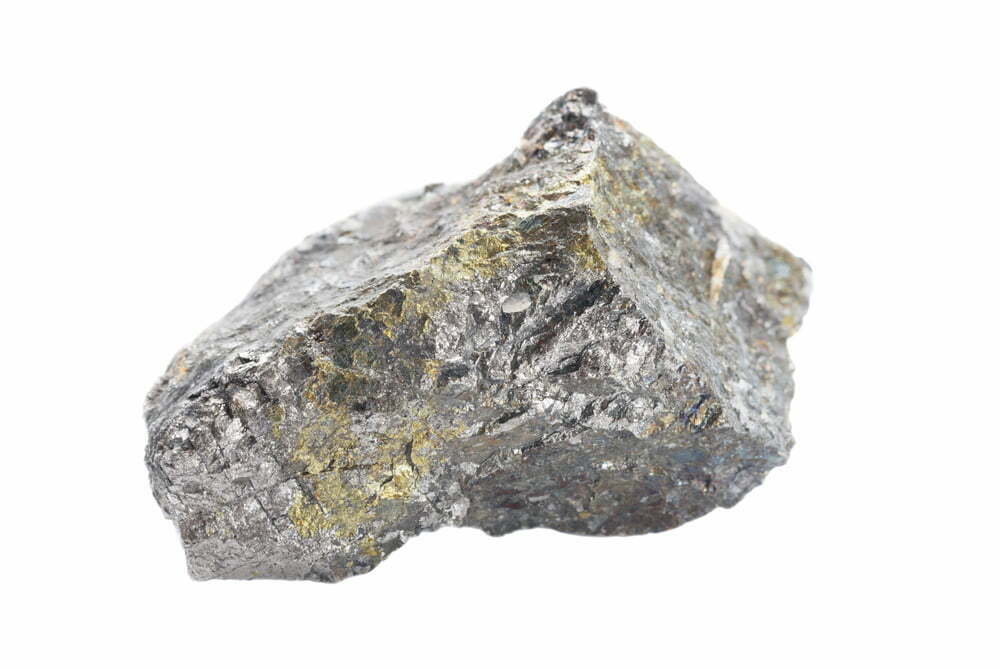



Nickel metal is supplied for alloy production electroplating and industrial manufacturing.
Nickel is a hard, ductile, silvery-white transition metal (atomic number 28) known for its excellent resistance to corrosion, high-temperature strength, and ferromagnetic properties. Primarily used in stainless steel (approx. 66%), it is critical for EV batteries, aerospace superalloys, plating, and coinage.
Key Properties and Characteristics
Appearance: Silvery-white with a slight golden tinge and high luster.
Physical Properties: Hard, malleable, and ductile.
Thermal/Electrical: Moderate conductor of heat and electricity.
Magnetic: Ferromagnetic at room temperature.
Corrosion Resistance: Highly resistant to corrosion and oxidation, forming a protective oxide layer.
Major Applications
Stainless Steel: Roughly two-thirds of global nickel is used to make stainless steel, adding strength and rust resistance.
Batteries: Key component in Lithium-ion batteries for electric vehicles, providing high energy density.
Superalloys: Used in aerospace and power turbines for high-temperature stability.
Plating: Applied to other metals for protection and decorative, polished finishes.
Catalysts: Used in industrial manufacturing, including hydrogenated oil production.