
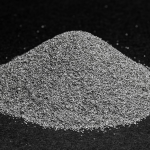

Aluminium milling chips are supplied as industrial metal byproducts for recycling and reprocessing.
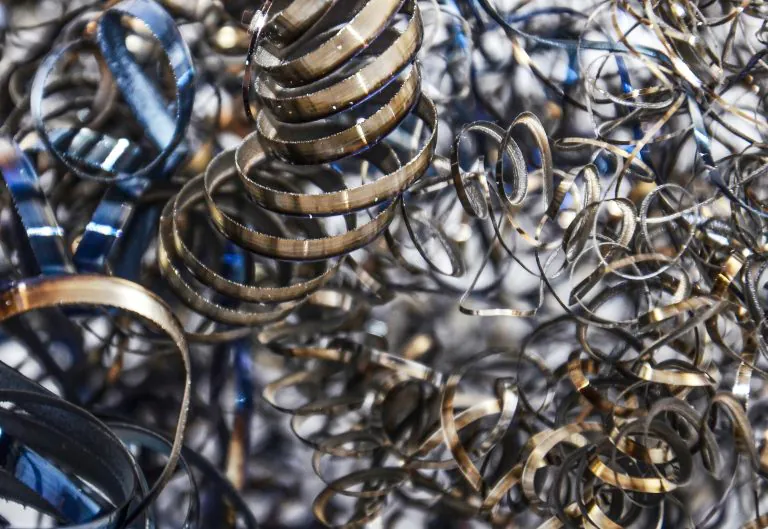
Aluminium milling chips (or swarf) are high-volume metal waste generated during CNC machining, turning, or milling, often contaminated with oil and coolant. These chips, typically from alloys like 6061 or 5052, are best managed by shredding and compacting into briquettes to reduce volume by up to 80%, remove fluids, and improve recycling efficiency.
Key Aspects of Aluminium Milling Chips:
Generation & Properties: These chips are produced when cutting tools remove material from a workpiece. They can be in various shapes, including long, stringy, or small discontinuous pieces depending on the cutting parameters.
Contamination: Raw chips often contain cutting oils and lubricants, which can affect the melting and recycling process if not pre-treated.
Processing & Value:
Compaction (Briquetting): To maximize space and value, loose chips are commonly compacted into high-density briquettes (cylindrical or rectangular).
Oil Recovery: Compactors can squeeze out and recycle valuable coolants/lubricants from the chips.
Recycling: Compacted briquettes melt faster and have higher market value compared to loose chips.
Solid-State Recycling: Researchers are exploring methods like hot extrusion to recycle these chips without melting them, which is more energy-efficient.
Management: Due to their high volume and low weight, proper storage in containers is required before recycling to prevent handling issues.
Aluminium milling chips are valuable resources when properly collected, de-oiled, and compacted, turning manufacturing waste into high-quality raw material for new products.