



Dust suppressants are used in environmental control mining construction and infrastructure projects.
Dust suppressants are chemical agents, polymers, or water-based solutions applied to unpaved roads, mines, and construction sites to bind particles, reduce air pollution, and improve safety. Key types include hygroscopic salts (calcium chloride), synthetic polymers, bitumen emulsions, and organic binders like lignosulfonate. They create durable, water-resistant, or moist surfaces to minimize dust generation.
Types of Dust Suppressants
Polymer Emulsions: Styrene-acrylic or vinyl-acrylic, create a flexible, durable film that glues particles together.
Hygroscopic Salts: Magnesium or calcium chloride, attract moisture from the air to keep roads damp.
Organic Non-petroleum Binders: Lignosulfonates (wood byproduct) and vegetable oil derivatives, which bind surfaces.
Bitumen/Petroleum Emulsions: Used for long-term road sealing.
Surfactants: Reduce surface tension, improving water’s penetration into dust.
Key Benefits & Applications
Mining & Construction: Used on hauling highways and stockpiles to increase visibility and reduce health risks.
Road Maintenance: Reduces gravel loss and stabilizes unsealed surfaces.
Environmental Protection: Minimizes airborne particulates that impact nearby communities.
Application Methods
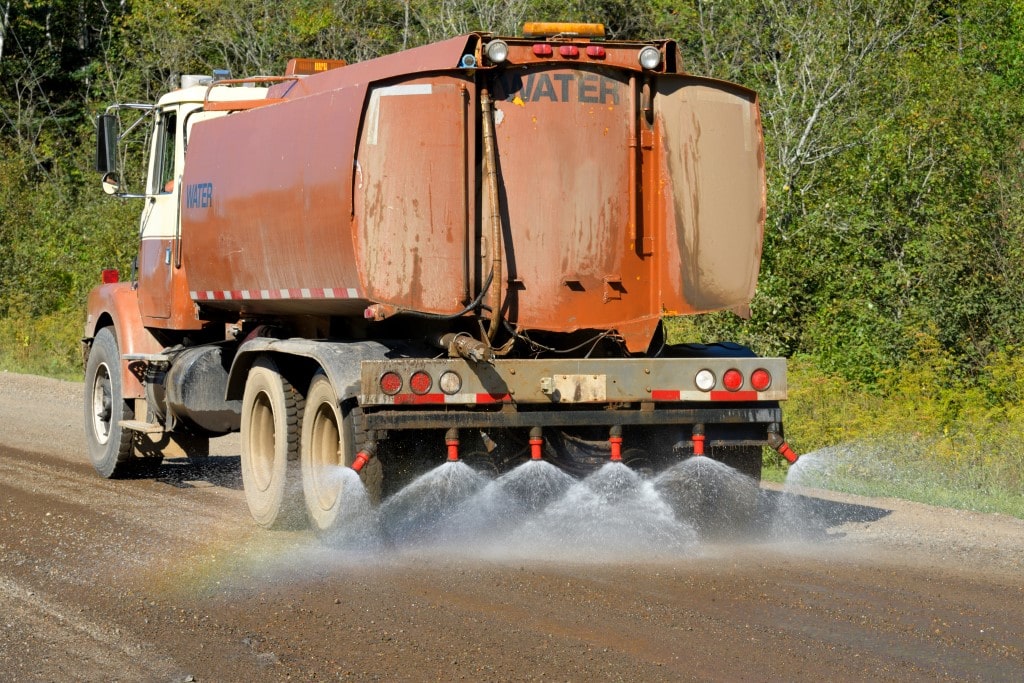
Spraying: Liquid solutions are sprayed using water trucks, fog cannons, or misting systems.
Topical Application: Applied to the surface to form a crust.
Stabilization: Mixed into the top layer of soil for longer-lasting results.


