

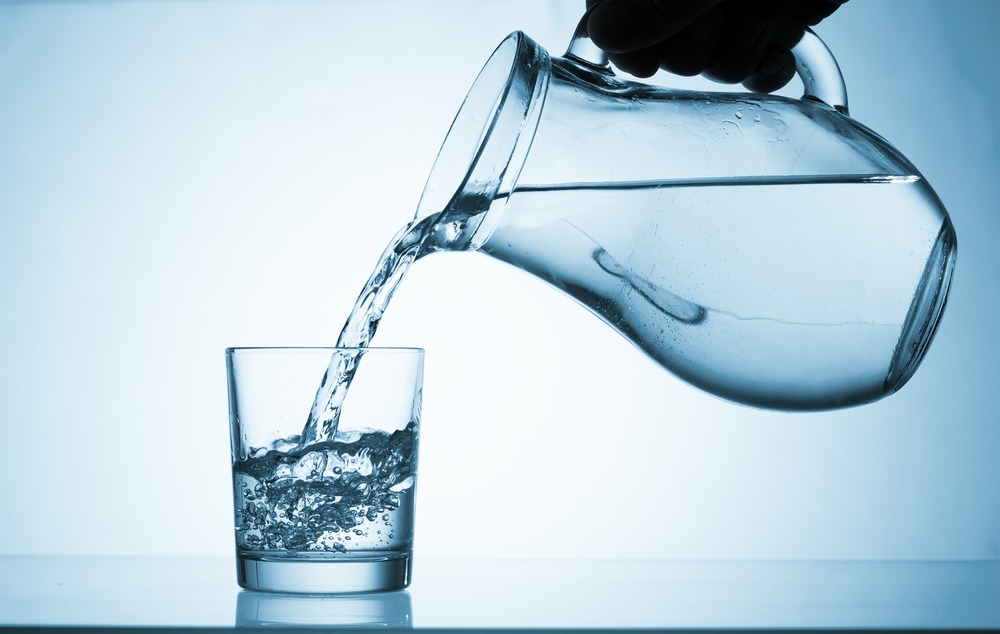


Distilled water is supplied as purified water for food manufacturing beverage and laboratory related applications.
Common Uses
Distilled water’s high purity makes it ideal for many domestic and industrial applications where mineral buildup and contamination must be avoided.
Appliances: Using it in steam irons and humidifiers prevents mineral deposits (limescale) from building up, extending the life and efficiency of the appliances.
Automotive: It is essential for topping up lead-acid batteries and mixing with antifreeze in car cooling systems, as minerals in tap water can cause corrosion.
Medical & Personal Care: Its purity makes it suitable for sterilizing medical instruments, use in CPAP machines, and for nasal rinses with a neti pot to avoid infections.
Cleaning: Due to its lack of minerals, it does not leave streaks or residue, making it excellent for cleaning glass, mirrors, and delicate electronics.
Plants & Aquariums: It provides a “clean slate” for aquariums (allowing specific minerals to be added as needed) and prevents salt buildup in the soil of sensitive houseplants.
Health Considerations
While safe to drink, health experts note that drinking distilled water as a primary source of hydration means you may miss out on beneficial minerals like calcium and magnesium typically found in tap water.
Benefits: It is free from bacteria, viruses, heavy metals, and many organic chemicals, which can be beneficial for people with compromised immune systems.
Drawbacks: The absence of minerals can give it a flat or bland taste. You may need to ensure you get enough essential minerals through a balanced diet or supplements.