
Vanilla
Natural flavoring ingredient for food industry

Vanilla is supplied in pod or processed form for food and beverage manufacturing.
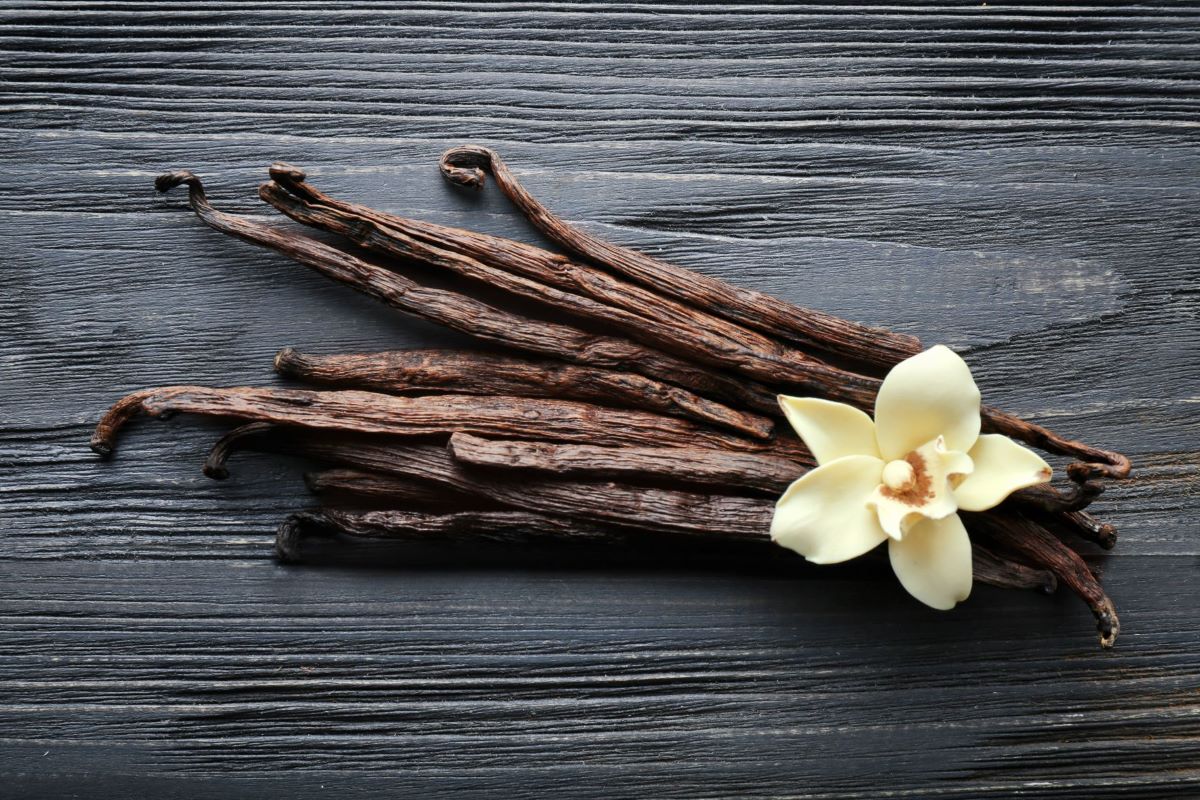
Vanilla is a prized flavoring derived from the seed pods of orchids, primarily Vanilla planifolia, making it one of the world’s most labor-intensive and expensive spices. Originating from Mexico, it is now cultivated globally, notably in Madagascar, offering a distinct, rich flavor profile used in sweets, baking, and perfumes.
Key Details About Vanilla
Source: It is the only edible fruit produced by the orchid family.
Production: The flowers must be hand-pollinated, and the pods require months of curing and drying to develop their flavor.
Varieties:
Bourbon-Madagascar is the most common, while Tahiti and Mexico also produce distinct, sought-after varieties
.
Synthetic vs. Real: Due to high costs, much of the consumer market uses synthetic vanilla, often derived from wood pulp or petroleum, which lacks the complex flavor of natural vanilla.
Benefits: Natural vanilla may offer antioxidant properties and potentially support brain health.
Cultural Usage: Beyond food, it is widely used in aromatherapy and personal care products for its calming aroma.
While vanilla is highly regarded for its flavor, it is also commonly used to describe something as ordinary, conventional, or, in some contexts, “plain”.