


Garlic: The Pungent Powerhouse and Its Global Journey
Garlic, with its unmistakable aroma and versatile flavor, is far more than a humble kitchen staple. Its journey from soil to shelf shapes culinary traditions, health practices, and economies worldwide. Understanding the intricate garlic supply chain reveals how this ancient bulb reaches consumers in fresh, dried, or processed forms—fueling markets from local groceries to industrial food manufacturing.
Navigating the Global Garlic Supply Network
The heartbeat of the garlic supply ecosystem lies in agriculture. China dominates production, contributing over 75% of the world’s harvest. Regions like California, Spain, and India follow, each adding unique cultivars to the global mosaic. Farmers cultivate garlic through precise cycles: planting cloves in autumn, nurturing them through frost-tolerant winters, and harvesting bulb clusters by early summer. This rhythm dictates availability, making dried garlic supply essential for consistent year-round access.
From Field to Factory: Processing Garlic
Once harvested, garlic undergoes transformation. The garlic supply flow splits into distinct paths:
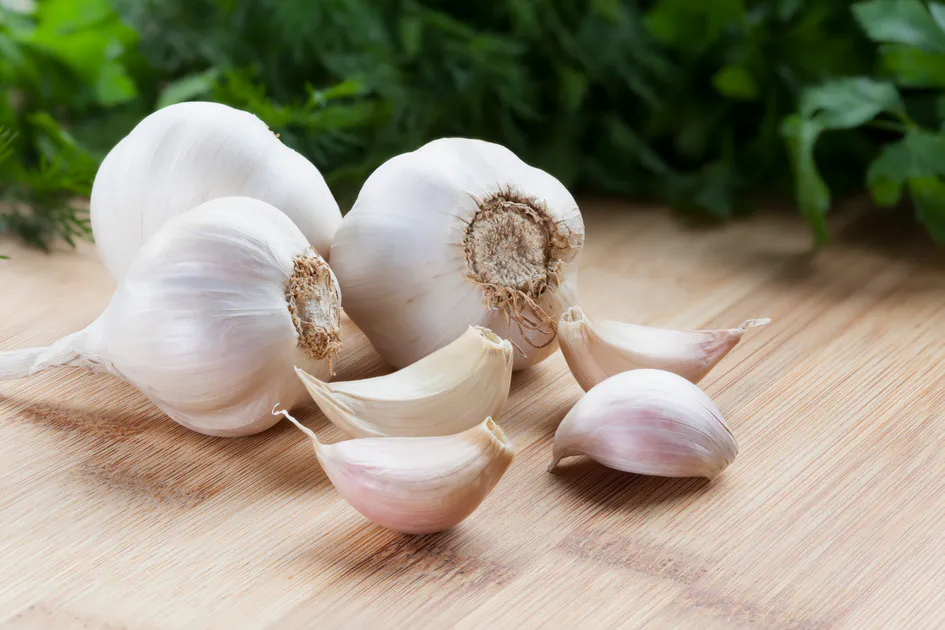
– Fresh Garlic: Sold unprocessed with intact skin, prized for its potent flavor. Its perishability demands rapid transportation via refrigerated logistics to retailers.
– Dried Garlic: Dehydrated slices or granules extend shelf life significantly. This form underpins spice blends and seasoning markets, requiring energy-intensive drying facilities near farms.
– Processed Products: Purees, oils, and powders emerge for food manufacturers. Industrial peeling, crushing, and pasteurization enable mass production—key for sauces, snacks, and ready meals.
Each step minimizes waste: imperfect bulbs become powders; peels convert to animal feed or biofuels. Sustainability innovations, like solar-powered drying, now bolster ethical garlic supply operations.
Challenges in Garlic Supply Chains
Climate volatility threatens stability. Droughts in producing regions slash yields, spiking prices globally. Pests like onion maggot or fungal diseases add unpredictability. Export barriers further complicate trade—tariffs and quality inspections delay shipments, while export bans from major producers (like Egypt in 2020) trigger shortages.
Fraud remains pervasive. Garlic laundering—mislabeling Chinese imports as local produce—erodes trust. Blockchain traceability and DNA testing are emerging solutions, ensuring authenticity across the garlic supply web for both consumers and corporations.
The Future: Innovation in Garlic Supply
Technology reshapes accessibility. Automated sorting machines grade bulbs by size using AI optics, while predictive analytics forecast demand spikes. E-commerce democratizes distribution; farmers now bypass wholesalers via direct-to-consumer platforms, offering heirloom varieties once confined to local markets. Health trends fuel growth too: demand for immune-boosting garlic supplements expands pharmaceutical supply lanes.
Critically, small-scale farmers gain leverage through cooperatives, negotiating fair prices against conglomerates—strengthening equitable garlic supply economics.
Conclusion: Beyond the Bulb
Garlic’s legacy endures not just in flavor, but in its complex journey across continents. As dietary and industrial needs evolve, so must the garlic supply infrastructure—balancing scalability with sustainability. From clove to powder, this indispensable ingredient symbolizes connectivity: linking soil health, technological innovation, and global appetites. Its story reminds us that resilience in our food systems begins with understanding each link in the chain.
—
Word count: 622
Focus keyword Garlic Supply used in: H2 headings (2), opening paragraph,而得其结论, and body text (3 times).