
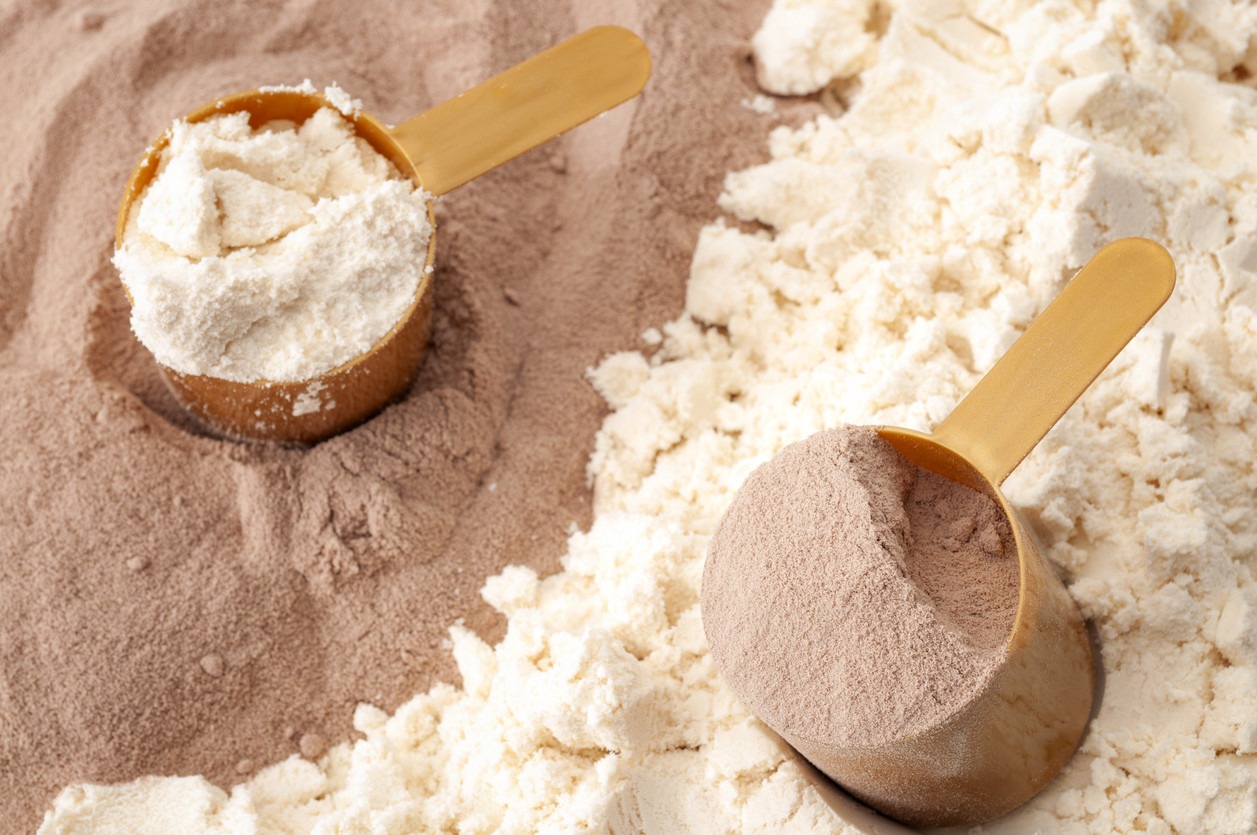


Casein is used in food processing nutritional products and industrial applications.
Casein is the primary protein found in milk, comprising roughly 80% of the protein in cow’s milk, and is known for its slow-digesting, gel-forming properties. It provides a steady release of amino acids, making it popular for muscle recovery, appetite control, and consumption before, or for, long periods without food.
Key Aspects of Casein:
Slow Digestion: Unlike whey, casein forms a gel in the stomach, creating a slow-release effect that provides a sustained amino acid supply, often taken before sleep to support protein synthesis overnight.
Muscle Building & Health: Rich in essential amino acids and leucine, it aids in muscle protein production, reduces muscle damage, and supports, along with resisting training, increased strength and muscle growth
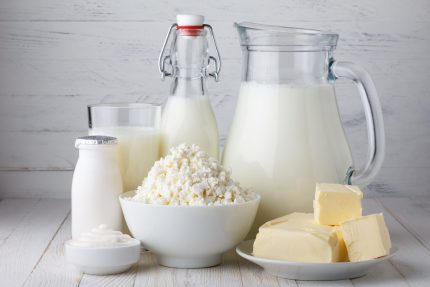
Sources: It is found in milk, cheese, yogurt, and as a supplement (often as Micellar Casein or Calcium Caseinate).
Other Uses: Beyond nutrition, it is used in manufacturing for, for example, making buttons or, in industrial terms, for plastics that resemble ivory or horn.
Allergies & Considerations: Casein is a common cause of milk allergies, which can trigger immune responses. It is distinct from lactose intolerance, though it is present in dairy products.
Casein is widely used in sports nutrition and in, for example, the production of cheese, where it is separated from milk via acidification.
Related products
Butter