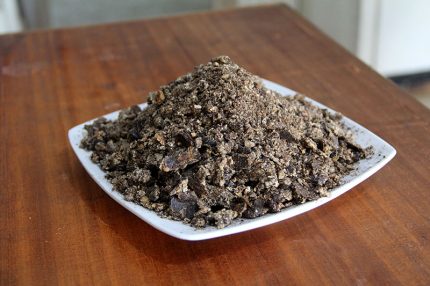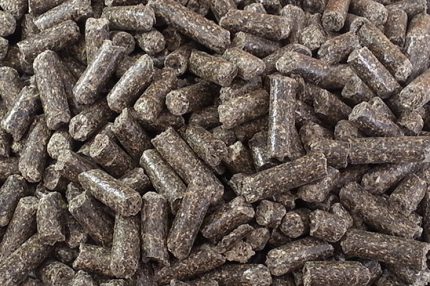

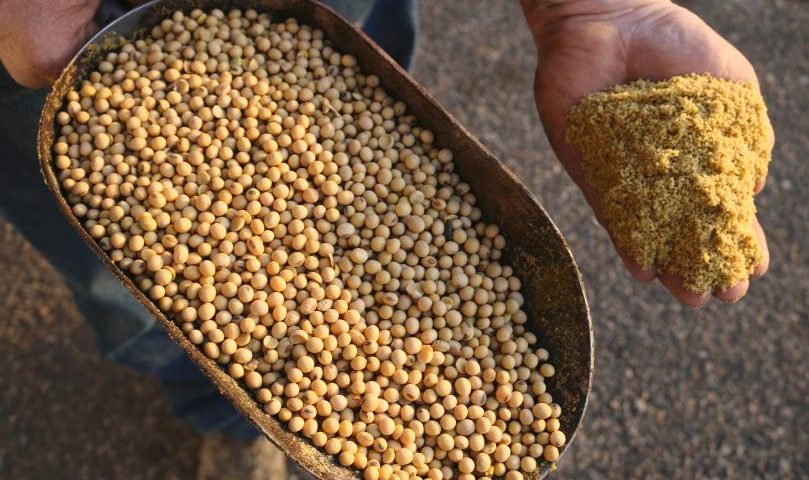


Soybean meal is a primary protein source in animal feed.
Soybean meal is the dominant global protein source in animal feed, representing roughly two-thirds of the total world output of protein feedstuffs. It is highly valued for its superior amino acid profile, high digestibility, and consistent quality, making it a staple for poultry, swine, and dairy cattle.
Key Aspects of Soybean Meal in Animal Feed:
Primary Usage: It is the leading source of protein for pigs and poultry, particularly favored for its high digestibility, which is superior to most other oilseed meals.
Nutritional Value: High-protein, dehulled soybean meal contains 47-49% protein and is essential for rapid animal growth.
Amino Acid Profile: It provides a unique balance of amino acids, particularly lysine, which complements the diets of livestock and improves performance.
Processing Dependence: The nutritional value depends heavily on proper heat treatment to eliminate antinutritional factors like trypsin inhibitors.
Market Impact: It represents the standard for protein in animal nutrition, with demand driven by aquaculture expansion and limitations on animal-based proteins.
Due to its high quality, it is considered the benchmark, with high-quality, low-fiber, dehulled meal specifically preferred for poultry.
Its dominance in the market is driven by several key factors:
Nutritional Profile: It typically contains 44% to 48% crude protein (or higher in dehulled versions). It is especially valued for its high lysine content, which is the first limiting amino acid in most poultry and swine diets.
Digestibility: When properly heat-treated, its amino acid digestibility often exceeds 90% for monogastric animals like pigs and chickens.
Versatility: It serves as a primary protein source across multiple sectors:
Poultry: Consumes over 50% of US soybean meal, supporting rapid growth and egg production.
Swine: Utilises about 26% of the supply for lean muscle development.
Ruminants: Used in dairy and beef cattle diets to enhance milk yield and rumen function.
Aquaculture: Increasingly used as a sustainable alternative to fishmeal for shrimp and fish.
Processing: It is a by-product of soybean oil extraction (via solvent or mechanical methods). Heat treatment during this process is critical to destroy anti-nutritional factors like trypsin inhibitors, which would otherwise hinder protein digestion.