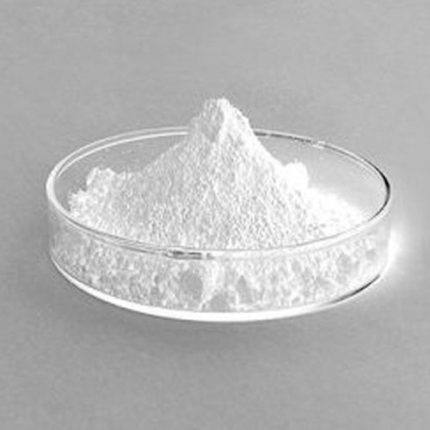

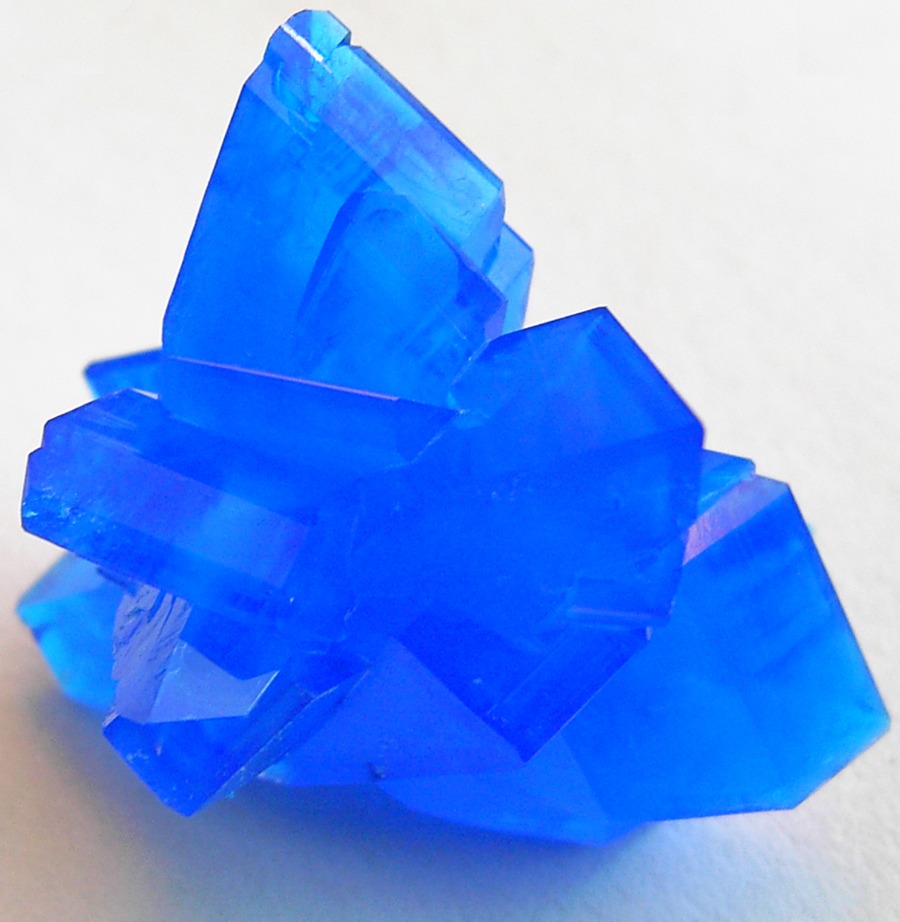
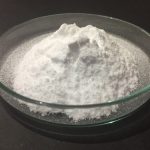

Cupric sulphate is used in chemical manufacturing laboratory analysis and industrial applications.
Common Uses
Agriculture: Used extensively as a fungicide to control diseases like downy mildew and blight, and as a molluscicide to kill snails and slugs. It also serves as a copper micronutrient additive for soils and animal feeds to correct deficiencies.
Water Treatment: Applied to ponds, lakes, and swimming pools to control algae and bacteria growth. It is also used to line sewer pipes to prevent root growth.
Chemistry & Industry: Utilized in laboratories as an analytical reagent (e.g., in Fehling’s and Benedict’s solutions to test for sugars). In industry, it is used in electroplating, as a mordant in dyeing and textile production, in the manufacture of paints, and as a wood preservative.
Medical Applications: Historically used as an emetic (to induce vomiting), it is now considered too toxic for this use. It has limited use in some medical practices as a locally applied fungicide or bactericide.
Safety Precautions
Proper handling is crucial due to its toxicity.
Always follow all product label instructions carefully.
Wear protective equipment, including gloves, goggles, and protective clothing, to avoid skin and eye contact or inhalation of dust/mist.
Ensure adequate ventilation in work areas.
In case of exposure, follow the first aid instructions on the product label and contact a poison control center immediately.