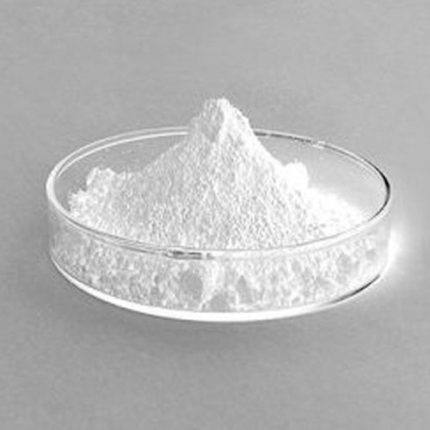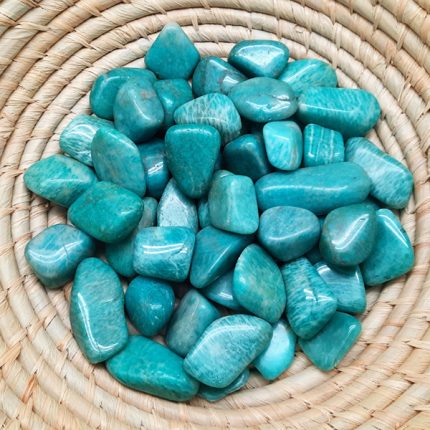



Agate is supplied as a mineral material for decorative industrial and specialty applications.
Agate is a common, translucent, banded variety of chalcedony (a microcrystalline quartz) characterized by concentric, colorful bands formed in volcanic rock cavities. Ranging in colors from white and grey to red, blue, and green, it is widely used in jewelry, carvings, and as a gemstone due to its toughness and beauty.
Key Characteristics & Properties
Composition: A silica-rich, cryptocrystalline variety of quartz (mineraloid).
Formation: Typically forms in volcanic rock cavities where silica-rich fluids deposit layers.
Hardness: 6.5–7.0 on the Mohs scale, making it durable for jewelry.
Appearance: Distinctive, often concentric banding or “eye” patterns (eye agate).
Varieties: Includes Moss agate, Fire agate, Blue Lace agate, and Botswana agate.
Sources: Found globally, with major commercial sources in Brazil, Uruguay, and the USA.
Uses & Significance
Jewelry: Popular in bracelets, necklaces, and rings.
Ornaments: Used for carvings, beads, and artistic vessels.
Metaphysical: Often associated with grounding, protection, and emotional balance.
History: Named after the Achates River in Sicily, it has been used for thousands of years as a protective stone.
Identification: Unlike jasper, agate is generally translucent.
Many commercial agates are artificially stained to improve color.