
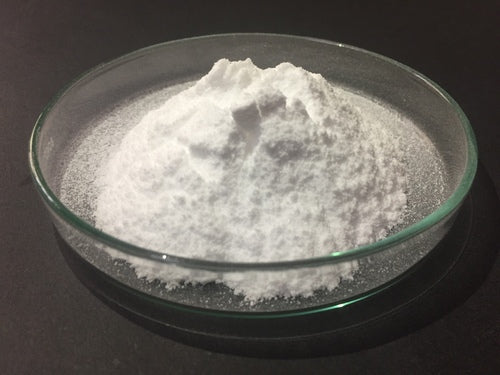
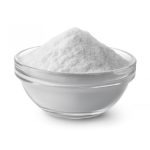

EDTA disodium salt is a chelating agent used in water treatment laboratory analysis and industrial formulations.
Common Applications
Laboratory & Research: Used in molecular biology to inhibit metal-dependent enzymes like DNases and proteases, and to prevent cell clumping in tissue culture.
Medical:
Anticoagulant: Used in blood collection tubes (lavender/purple tops) to prevent clotting by sequestering calcium.
Therapeutic: Formerly used for hypercalcemia and digitalis toxicity, though newer treatments are often preferred.
Cosmetics & Personal Care: Acts as a stabiliser in shampoos, soaps, and lotions by preventing minerals in hard water from affecting the product’s performance or lather.
Food Industry: Used as a preservative and sequestrant to prevent oxidative decolourisation and rancidity caused by trace metals in processed foods.
Safety and Handling
Hazards: Classified as a respiratory irritant if inhaled in dust form. It is generally safe in small amounts as a food additive but can be toxic in high doses.
Preparation: Preparing concentrated stock solutions (e.g., 0.5 M) typically requires adding a base like Sodium Hydroxide (NaOH) to raise the pH to ~8.0, which is necessary for the salt to dissolve fully.