

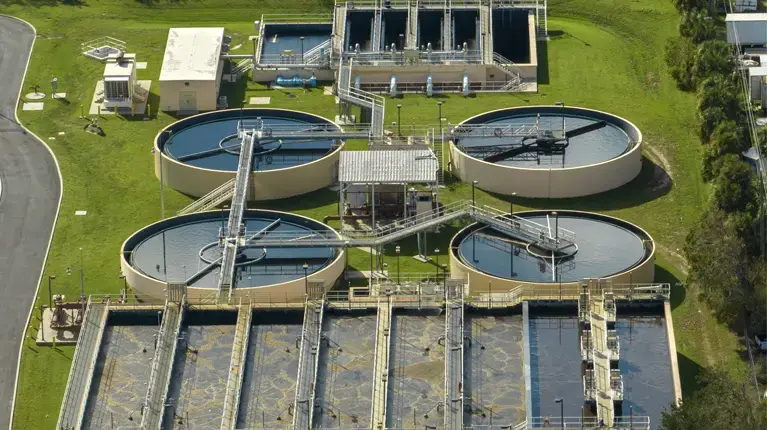


Waste Treatment Infrastructure

Waste treatment chemicals and materials are supplied for environmental infrastructure and industrial waste management.
Waste treatment infrastructure comprises a complex system of facilities and technologies—including landfills, transfer stations, recycling centers, and incineration plants—designed to collect, treat, and dispose of waste while minimizing environmental impact. Modern systems emphasize circular economy principles, such as waste-to-energy conversion, composting, and sorting facilities to reduce landfill dependency. Effective infrastructure is crucial for mitigating pollution and managing urban waste growth.
Key Components and Facilities
Collection and Transfer: Waste depots, skips, and transfer stations for efficient collection and transport.
Processing and Recycling: Facilities for sorting, recycling, composting, and material recovery.
Treatment and Disposal: Landfill sites (engineered for minimal environmental impact), incineration plants, and hazardous waste treatment facilities.
Waste-to-Energy (WtE): Technologies like Anaerobic Digestion (AD) that convert organic waste into electricity or fuel, reducing reliance on landfills.


