


Polyethylene is supplied for infrastructure piping water systems and environmental containment applications.
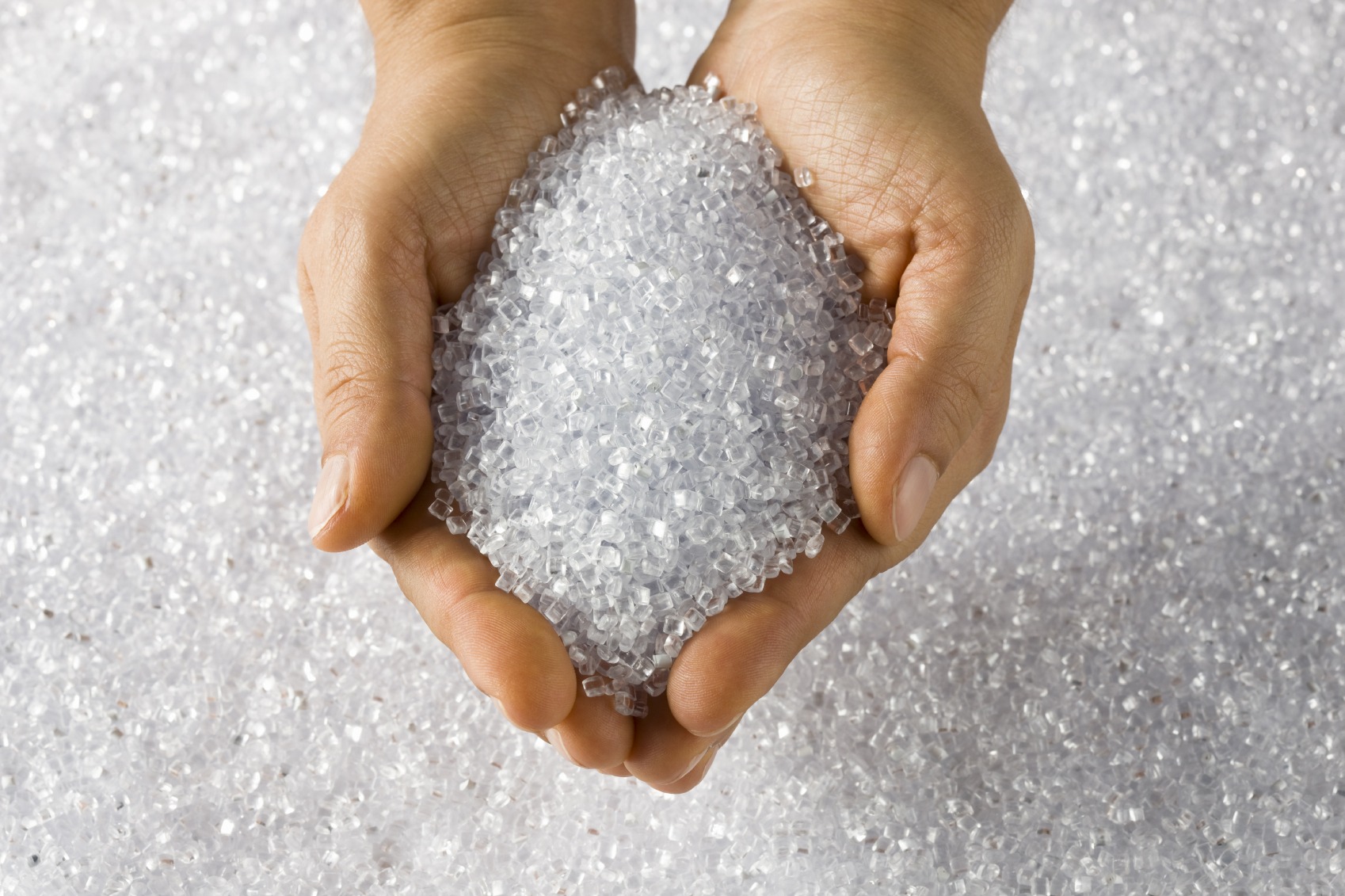
Polyethylene (PE) is the world’s most commonly produced thermoplastic, widely used for packaging, bottles, toys, and pipes due to its durability, light weight, and chemical resistance. Chemically synthesized from ethylene, it is a versatile polymer categorized by density—primarily LDPE (low-density), HDPE (high-density), and LLDPE (linear low-density)—with applications ranging from plastic bags to industrial piping.
Key Characteristics and Properties
Versatility: PE is chemically inert, non-toxic, and resistant to acids, alkalis, and moisture.
Density & Structure: As density increases (e.g., in HDPE), the material gains strength, rigidity, and melting temperature while flexibility decreases.
Durability: It is highly resistant to breaking, though it can become brittle with long-term exposure to sunlight.
Cost: It is inexpensive to produce, making it popular for single-use items.
Main Types of Polyethylene
LDPE (Low-Density Polyethylene): Flexible, used for plastic bags, cling films, and flexible containers.
HDPE (High-Density Polyethylene): Rigid, used for milk jugs, detergent bottles, and piping.
LLDPE (Linear Low-Density Polyethylene): Flexible, often used for stretch wraps and films.