
Hibiscus
Agricultural raw material for food and beverage use

Hibiscus is supplied as a dried agricultural commodity for food beverage and ingredient manufacturing.
Description and Varieties
The Hibiscus genus, part of the mallow (Malvaceae) family, includes hundreds of species of annual and perennial herbs, shrubs, and small trees native to warm temperate, subtropical, and tropical regions globally. Key characteristics and varieties include:
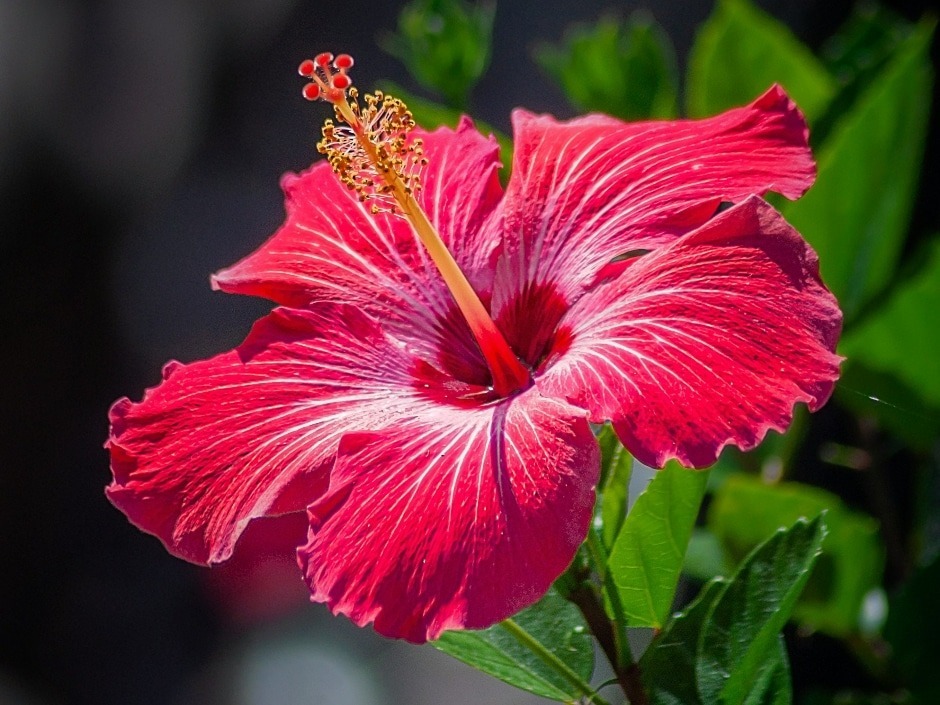
Flowers: Known for their large, trumpet shape with five or more petals, in colors such as white, pink, red, orange, yellow, and purple. Individual flowers often last only a day, but the plants typically produce new blooms continuously.
Hardy vs. Tropical: Varieties are categorised by climate preference. Tropical hibiscus (Hibiscus rosa-sinensis) is grown for its vibrant colors in frost-free areas, while hardy hibiscus (Hibiscus moscheutos, Hibiscus syriacus or Rose of Sharon) can withstand colder temperatures and go dormant in winter.
Foliage: Leaves are alternate, often with a toothed or lobed margin, and vary in texture; some indigenous South African species have fine, skin-irritating hairs.
Common Uses
Various parts of the hibiscus plant, especially Hibiscus sabdariffa (roselle), are used across the world for diverse applications:
Beverages: The dried calyces (the part of the flower that protects the bloom) are steeped to make a tart, cranberry-flavored herbal tea, enjoyed hot or cold, and known by names like karkadé (Egypt/Sudan) and agua de Jamaica (Mexico).
Food: Roselle is used as a vegetable, and its calyces are used to make jams, jellies, sauces, syrups, and as a natural food coloring. Dried hibiscus is also eaten as a delicacy or candied for desserts.
Ornamental Gardening: Many species are popular garden plants grown for their showy blooms that attract pollinators like butterflies, bees, and hummingbirds.
Folk Medicine: In traditional medicine systems like Ayurveda, infusions of leaves and calyces have been used as a mild laxative, diuretic, and to manage blood pressure and inflammation.
Other Uses: The inner bark of some species (Hibiscus tiliaceus, Hibiscus cannabinus) yields strong fibers used for making rope and paper. Hibiscus extracts are also used in cosmetic and skincare products for their moisturizing properties.