
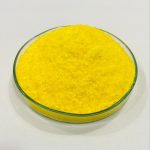
Sodium Chloride Industrial Grade

Industrial grade sodium chloride is used in chemical processing water treatment and manufacturing.Industrial grade sodium chloride is a crucial raw material used in numerous industries, from chemical manufacturing to water treatment and de-icing. It is produced to specific technical specifications and is not intended for human consumption due to acceptable impurity levels.
Specifications and Purity
Industrial grade sodium chloride purity varies depending on its specific use, typically ranging from 95% to 99.5%. Key differences from food or pharmaceutical grades include:
Purity (NaCl): Min. 98.5% for typical industrial use, compared to min. 99.5% for pharmaceutical grade.
Impurities: May contain higher levels of calcium, magnesium, sulfates, and insoluble matter, as these are acceptable for non-food applications.
Additives: May contain anti-caking agents, which are generally not present in high-purity grades like pharmaceutical or specific food grades.
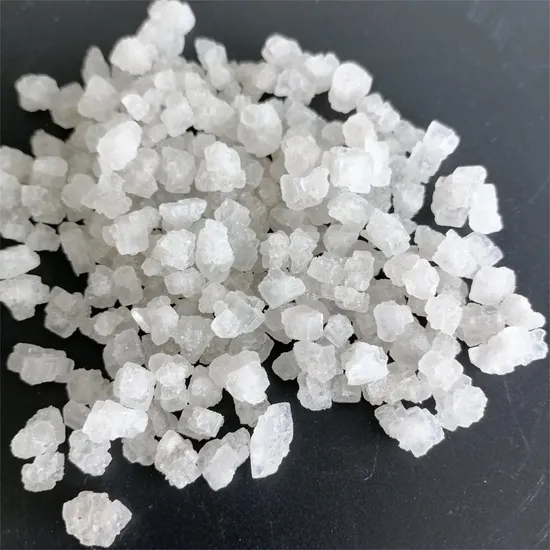
Physical Form: Available in various forms and grain sizes, including fine powder, coarse crystals, and large rock salt, tailored to the specific application.
Common Applications
Sodium chloride is a versatile compound that serves as a foundational element in many industrial processes.
Chemical Manufacturing: It is a primary feedstock for the chlor-alkali process, which produces essential chemicals like chlorine gas, caustic soda (sodium hydroxide), and hydrogen. These chemicals are then used to manufacture PVC, plastics, solvents, soaps, and detergents.
Water Treatment: It is used extensively in water softening systems to regenerate the ion-exchange resins that remove hardness ions (calcium and magnesium) from water.
De-icing: In colder climates, large quantities of industrial salt (often rock salt) are spread on roads and walkways to melt snow and ice by lowering the freezing point of water.
Textile and Dyeing Industry: It acts as an electrolyte to help fix dyes to fabrics, ensuring uniform penetration and colorfastness.
Oil and Gas Industry: It is used in drilling fluids to stabilize boreholes, control formation pressure, and flocculate drilling fluids.