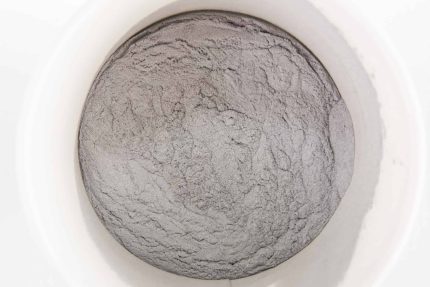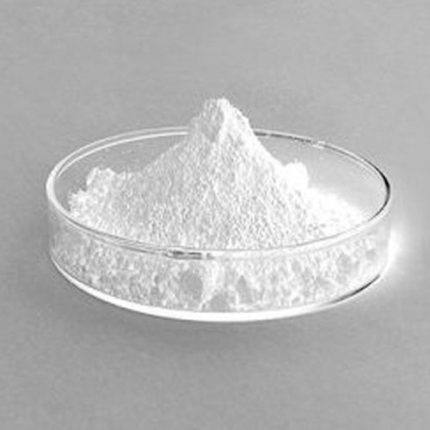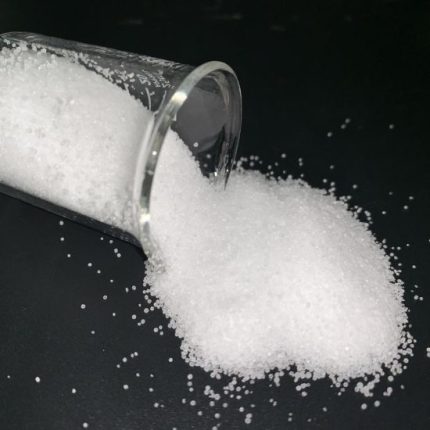

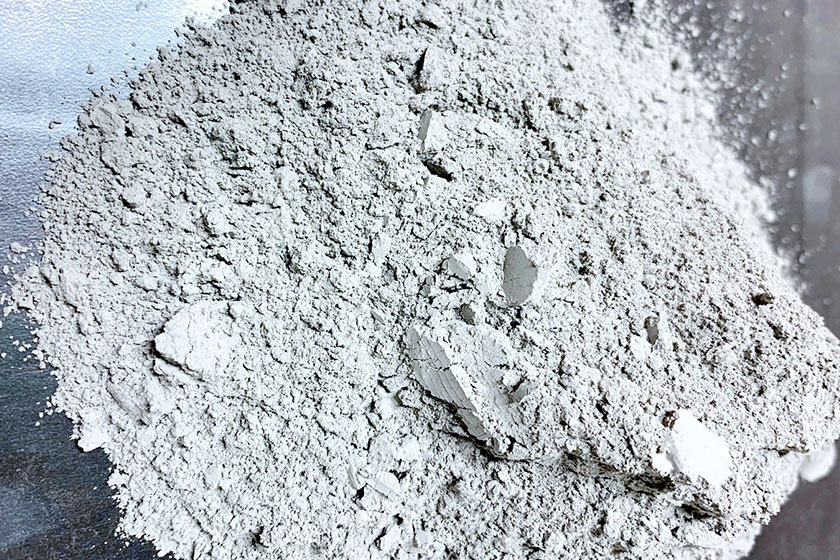

Lithium carbonate is supplied for battery manufacturing ceramics glass and industrial processing.
Lithium carbonate is an inorganic, white crystalline salt primarily used as a mood-stabilizing medication for treating bipolar disorder, particularly manic episodes. It works by altering neurotransmitter release, affecting sodium exchange in nerve cells, and is on the WHO List of Essential Medicines. It requires strict, regular monitoring due to a narrow therapeutic range, with potential toxic effects on the central nervous system and kidneys
Uses and Mechanism
Medical: It is used for the long-term, daily management of bipolar disorder (manic-depressive illness) and to treat acute mania, aiding in emotional control and symptom reduction.
Industrial: It is widely used in the manufacturing of various metal oxides.
Mechanism: While the exact mechanism is not fully understood, it acts on the central nervous system by altering neurotransmitter release, impacting cAMP levels, and potentially blocking inositol metabolism.
Side Effects and Toxicity
Common Effects: Mild nausea, tremors, increased thirst, and frequent urination are common, especially early in treatment.
Toxicity Signs (High Levels): Severe diarrhea, vomiting, severe drowsiness/tremors, muscle weakness, confusion, slurred speech, and blurred vision.
Long-term Risks: Risk of renal dysfunction or, in rare cases, irreversible cerebellar syndrome.