
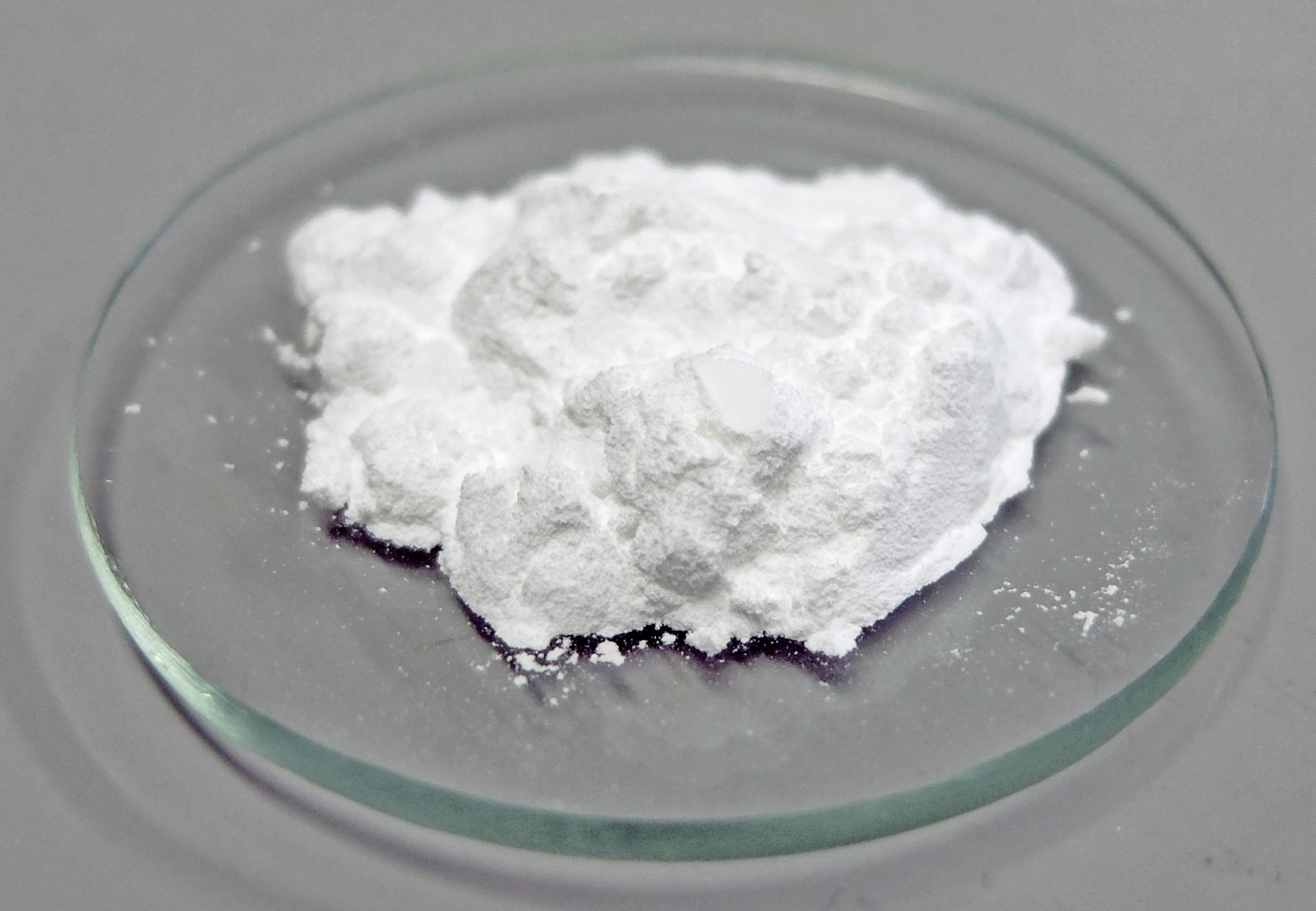



Lanthanum oxide is used in optics catalysts ceramics and advanced industrial applications.
Lanthanum oxide, also known as lanthana with the chemical formula La₂O₃, is a white, hygroscopic rare-earth oxide powder used in various high-tech applications including optical glass, catalysts, and electronics.
Key Properties
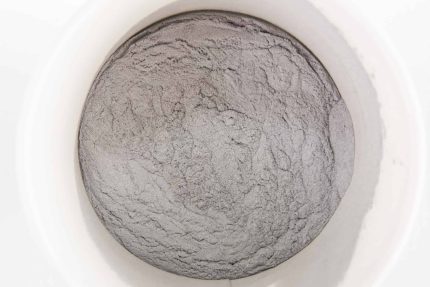
Appearance: White to off-white fine powder.
Chemical Formula: La₂O₃.
Molar Mass: 325.808 g·mol⁻¹.
Melting Point: 2,315 °C.
Solubility: Insoluble in water, but soluble in acids.
Hygroscopicity: It readily absorbs moisture from the air, converting to lanthanum hydroxide.
Optical/Electrical: Features a high refractive index, low dispersion, high thermal stability, and a very high dielectric constant, making it useful as an electrical insulator in certain applications.
Primary Applications
Optics: A key ingredient in manufacturing high-quality, low-dispersion, high-refraction optical glass for camera and telescope lenses, as well as infrared-absorbing glasses and optical fibers. It improves the glass’s alkali resistance, density, and hardness.
Catalysis: Used as a catalyst and catalyst carrier in various industrial processes, including petroleum refining (fluid catalytic cracking) and automotive exhaust gas aftertreatment.
Electronics: Utilized in the production of specific ceramic capacitors, piezoelectric and thermoelectric materials, and as a high-k dielectric layer in microelectronics. It is also a component in some phosphors for fluorescent lamps and X-ray intensifying screens.
Metallurgy: Added in small quantities to various alloys (like iron, chromium, and nickel-based alloys) to improve mechanical properties such as malleability, impact resistance, and wear performance by refining the grain structure.
Energy Storage: Lanthanum compounds are a significant component in the negative electrodes of nickel-metal hydride (NiMH) rechargeable batteries used in hybrid vehicles.
Water Treatment: The compound can be used for the removal of phosphates from water in pools or wastewater treatment due to its anti-phosphate properties.