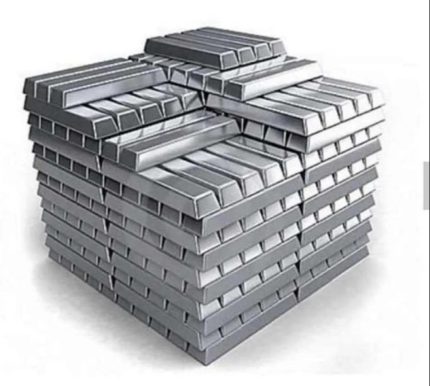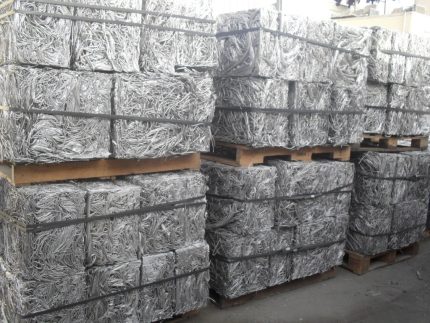

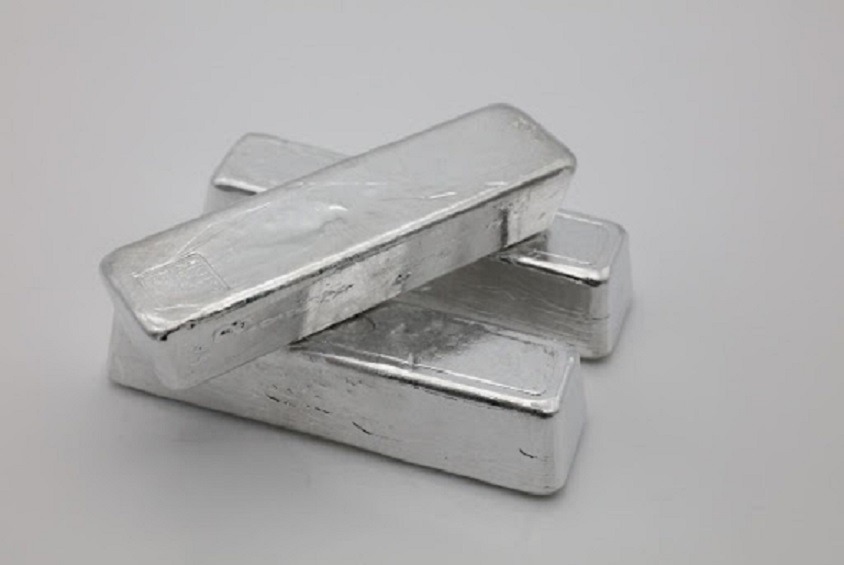


Indium metal is supplied for electronics soldering semiconductor and advanced industrial applications.
Indium is a soft, silvery-white post-transition metal (symbol In, atomic number 49) that is remarkably pliable—it can be cut with a knife and leaves a mark on paper similar to lead. It is perhaps most famous for its “tin cry,” a high-pitched crackling sound produced when the metal is bent.
Key Properties
Extreme Softness: It is one of the softest metals that is stable in air.
Low Melting Point: It melts at just 156.6°C (313.9°F), making it highly useful for low-temperature applications like specialty solders.
Glass Wetting: Molten indium has the unusual ability to “wet” or bond to clean glass and ceramics, which is utilized in creating vacuum-tight seals.
Conductivity and Transparency: In the form of Indium Tin Oxide (ITO), it is both electrically conductive and optically transparent.
Modern Applications
Indium is considered a “strategic metal” due to its critical role in high-tech industries.
Electronics & Displays: Approximately two-thirds of all indium is used for ITO coatings in touchscreens, LCDs, and flat-panel TVs.
Semiconductors: Compounds like indium phosphide (InP) and indium antimonide (InSb) are essential for high-speed transistors, fiber-optic lasers, and 5G infrastructure.
Renewable Energy: It is a key component in CIGS (Copper Indium Gallium Selenide) thin-film solar cells.
Specialty Engineering: Used in aircraft engine bearings to improve corrosion resistance and in nuclear reactors as a neutron absorber in control rods.
Rarity and Production
Indium is about as rare as silver but is almost never mined directly. It is produced exclusively as a by-product of processing other metal ores, primarily zinc (sphalerite) and sometimes copper or lead. China is the world’s leading producer, accounting for roughly 70% of the global supply as of 2025.
Safety and Handling
Toxicity: While pure indium metal is generally considered to have low toxicity, its compounds (like indium phosphide) can be highly toxic if inhaled or injected.
Handling: Due to its softness, high-purity indium cubes or foils must be handled with extreme care to avoid deforming their shape.