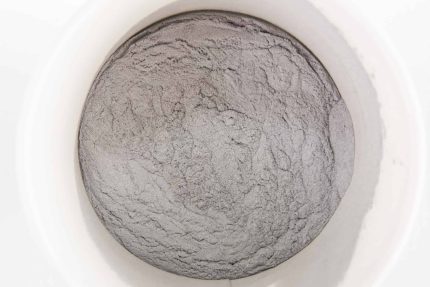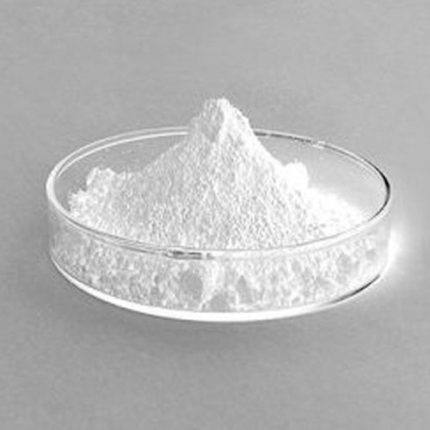

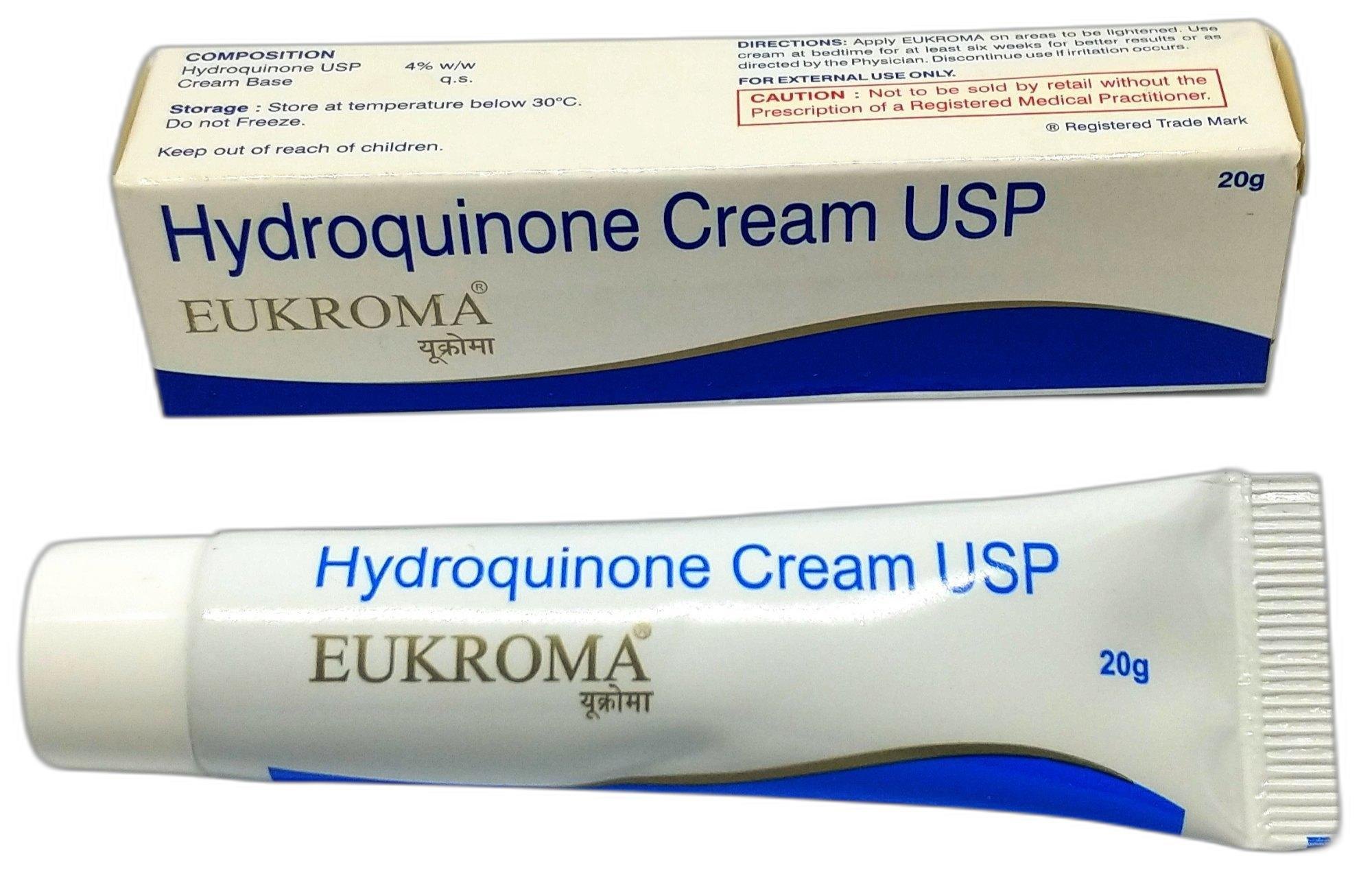



Hydroquinone is used in chemical synthesis photographic processing and industrial manufacturing.
Hydroquinone is an aromatic organic compound primarily used as a medical-grade skin-lightening agent. It is widely considered the “gold standard” for treating various forms of hyperpigmentation.
Primary Uses
It is clinically prescribed to treat skin conditions where an excess of melanin (pigment) causes dark patches:
Melasma: Brown or grey patches often caused by hormonal changes.
Post-Inflammatory Hyperpigmentation (PIH): Dark spots remaining after acne or skin injuries.
Solar Lentigines: Commonly known as age spots or sunspots.
Freckles: Targeted lightening of specific spots.
How It Works
Hydroquinone lightens skin by inhibiting the enzyme tyrosinase, which is essential for the production of melanin. By reducing the activity of pigment-producing cells (melanocytes), it gradually fades existing dark spots and prevents new ones from forming. Visible results typically appear within 4 to 6 weeks.
Safety & Risks
While effective, hydroquinone is powerful and must be used with caution:
Prescription Only: In many regions, including the US, South Africa, and Australia, it is restricted to prescription-only use to ensure medical supervision. It is banned for cosmetic use in the EU and UK due to safety concerns.
Side Effects: Common reactions include redness, dryness, and mild stinging.
Ochronosis: A rare but serious risk of long-term use (typically over 6 months) where the skin develops permanent blue-black or greyish pigmentation.
Sun Sensitivity: Treated skin becomes extremely sensitive to UV rays. Daily use of broad-spectrum SPF 30+ is mandatory to prevent the sun from reversing the treatment or causing further damage.