
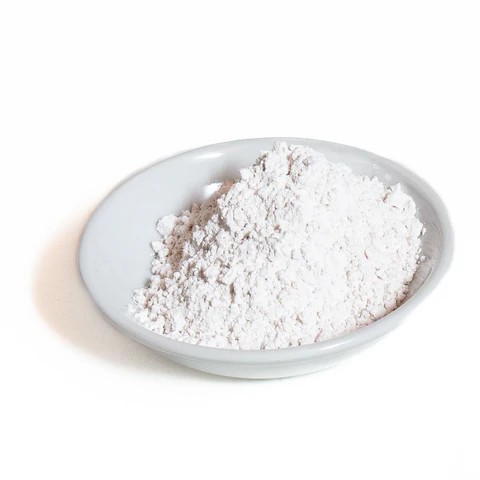

Gypsum Calcium Sulphate

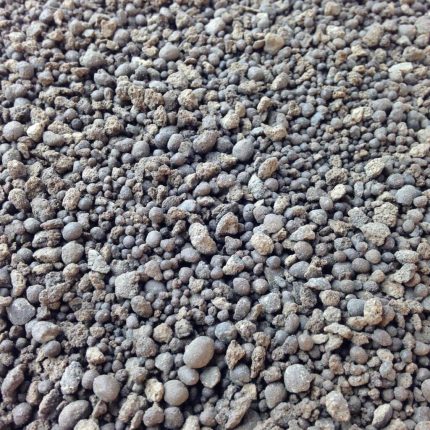
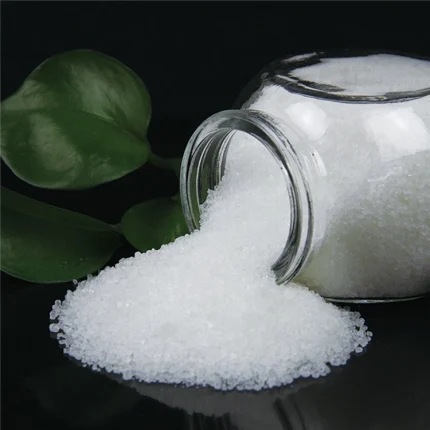
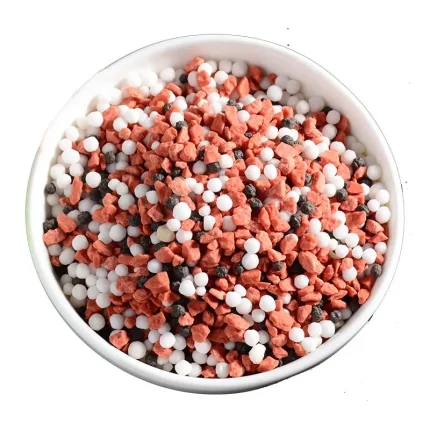
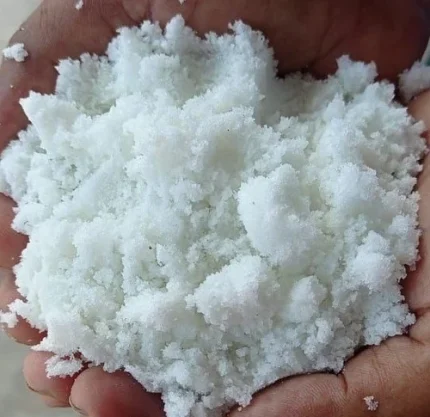
Gypsum improves soil structure and supplies calcium and sulphur.
Gypsum is a soft sulfate mineral composed of calcium sulfate dihydrate, commonly used as a soil amendment to break up clay, reduce sodicity, and provide calcium and sulfur to plants without raising soil pH. It is vital in construction (drywall), food (tofu coagulant), and brewing (hardening water).
Key Aspects of Gypsum (Calcium Sulphate):
Agricultural Uses: Effectively breaks up compacted, sodic, or heavy clay soils and improves water infiltration. It supplies essential nutrients (roughly 21% calcium, 17% sulfur) directly to plants, supporting protein synthesis and root development.
Soil Chemistry: Unlike lime, gypsum is neutral and does not significantly increase or decrease soil pH.
Industrial & Food Uses: Key component in plaster of paris, cement, and drywall. Food-grade calcium sulfate acts as a firming agent, dough conditioner, and yeast food.
Brewing: Used in, for example, Brewmart or Beyond Brewing to increase “permanent hardness” in brewing water, which enhances hop bitterness.
Solubility: It has low, retrograde solubility, meaning its solubility decreases as water temperature increases.
Types: Mined geological, byproduct (phosphogypsum), and Flue-Gas Desulphurisation (FGD) gypsum.
It is commonly available in powder, granulated, or liquid forms for various applications.