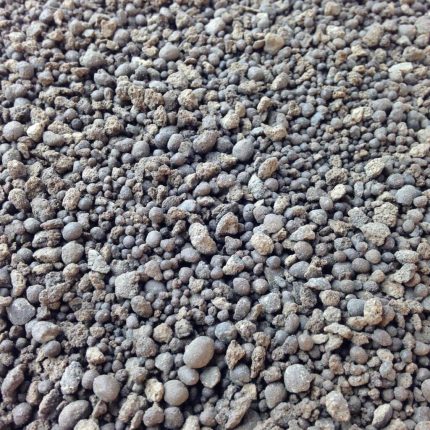

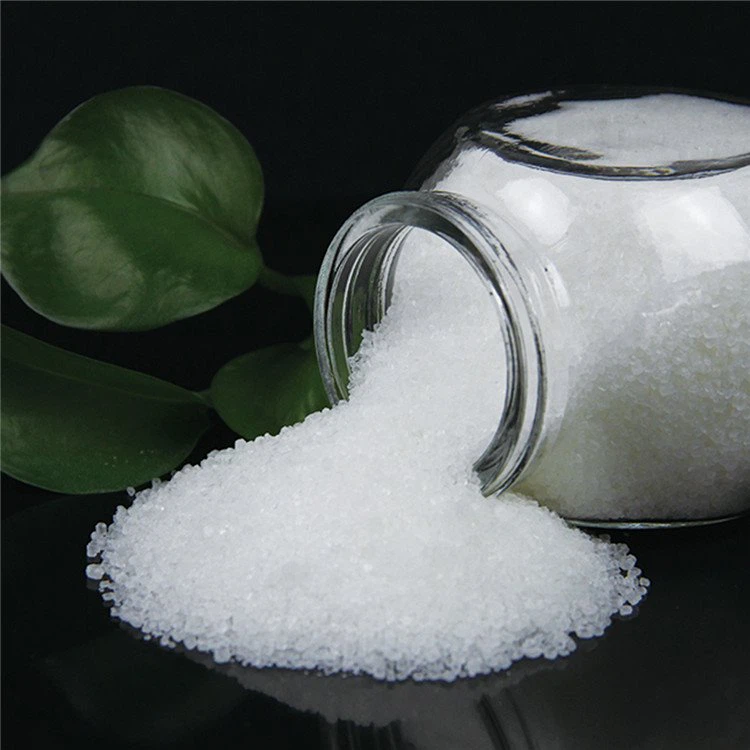



Ammonium sulphate supplies nitrogen and sulphur for soil fertility improvement.
Ammonium sulfate ((NH₄)₂SO₄) is a widely used inorganic salt, primarily as a nitrogen and sulfur fertilizer, especially for alkaline soils, providing essential nutrients for vigorous plant growth. It’s a white, crystalline solid, highly soluble in water, and is also used in chemical production and water treatment, while requiring careful handling due to potential irritation.
Key Uses
Fertilizer: Its main use is providing 21% nitrogen and 24% sulfur to plants, promoting foliage, fruit quality, and yield.
Soil Amendment: It acidifies alkaline soils, improving nutrient uptake in these conditions.
Chemical Industry: Used in the production of dyes and other chemicals.
Food Industry: Historically used as a flour dough conditioner and acidity regulator, though less common now.
Properties & Characteristics
Formula: (NH₄)₂SO₄.
Appearance: White crystalline solid, often appearing off-white, grey, or pinkish.
Solubility: Highly soluble in water.
Nutrient Content: 21% Nitrogen (N) and 24% Sulfur (S).
Safety & Handling
Health Hazards: Can be poisonous if swallowed; may cause skin and serious eye irritation.
Precautions: Wear protective gloves and eye protection, avoid inhaling dust, and store away from food and children.
Environmental Considerations
While beneficial as a fertilizer, excessive use can contribute to nutrient runoff.
Its acidification effect helps balance soil pH, which can be beneficial for plant health.