

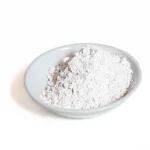
Magnesium Sulphate

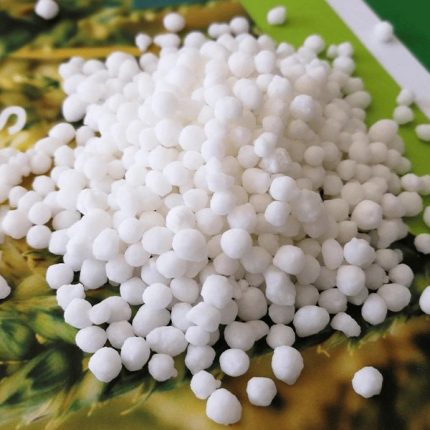
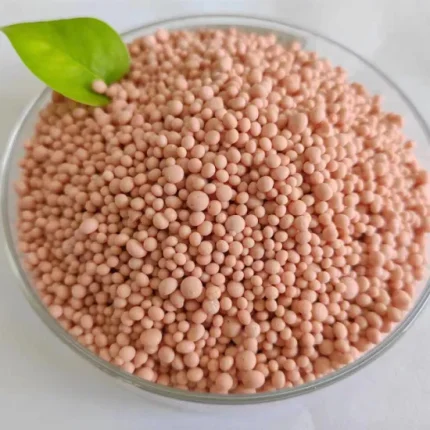
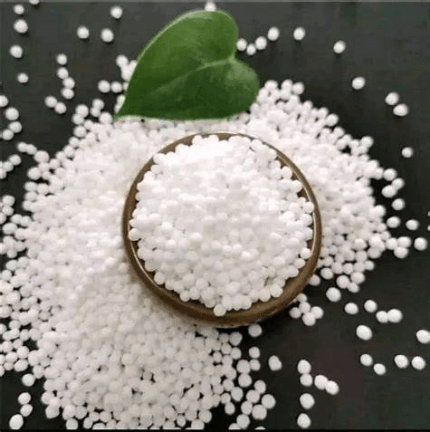
Magnesium sulphate supplies magnesium and sulphur to crops.
Magnesium sulfate is an inorganic salt, commonly known as Epsom salt (its heptahydrate form), used in medicine, agriculture, and various industries for its high solubility and chemical properties.
Medical and Personal Uses
Magnesium sulfate has a variety of medical applications, available in forms for oral consumption, topical application, and in a clinical setting, intravenous administration.
Laxative and Constipation Relief: When taken orally, magnesium sulfate acts as a saline laxative by drawing water into the intestines to promote bowel movements.
Soaking Solution: Dissolving magnesium sulfate (Epsom salt) in a bath or foot tub is a popular home remedy to soothe minor muscle aches, pains, sprains, bruises, and relieve tired feet.
Medical Treatments: In clinical settings, it is a critical medication on the World Health Organization’s List of Essential Medicines used intravenously to treat magnesium deficiency, manage certain cardiac arrhythmias (like torsades de pointes), control seizures in women with pre-eclampsia/eclampsia during pregnancy, and as a bronchodilator in severe asthma attacks.
Drawing Paste: A medication containing magnesium sulfate and phenol, known as “drawing paste” in the UK, is used to help with small boils, localized infections, and splinter removal.
Agricultural Uses
Magnesium sulfate is a common and highly soluble fertiliser, primarily used to correct soil deficiencies in magnesium and sulphur.
Nutrient Supplement: It is vital for plant health, especially for magnesium-hungry crops such as tomatoes, potatoes, and roses, as magnesium is essential for chlorophyll production and photosynthesis.
Soil Improvement: It can help plants better absorb other essential nutrients like nitrogen, phosphorus, and potassium, and can also help improve soil quality and prevent nutrient deficiencies.