
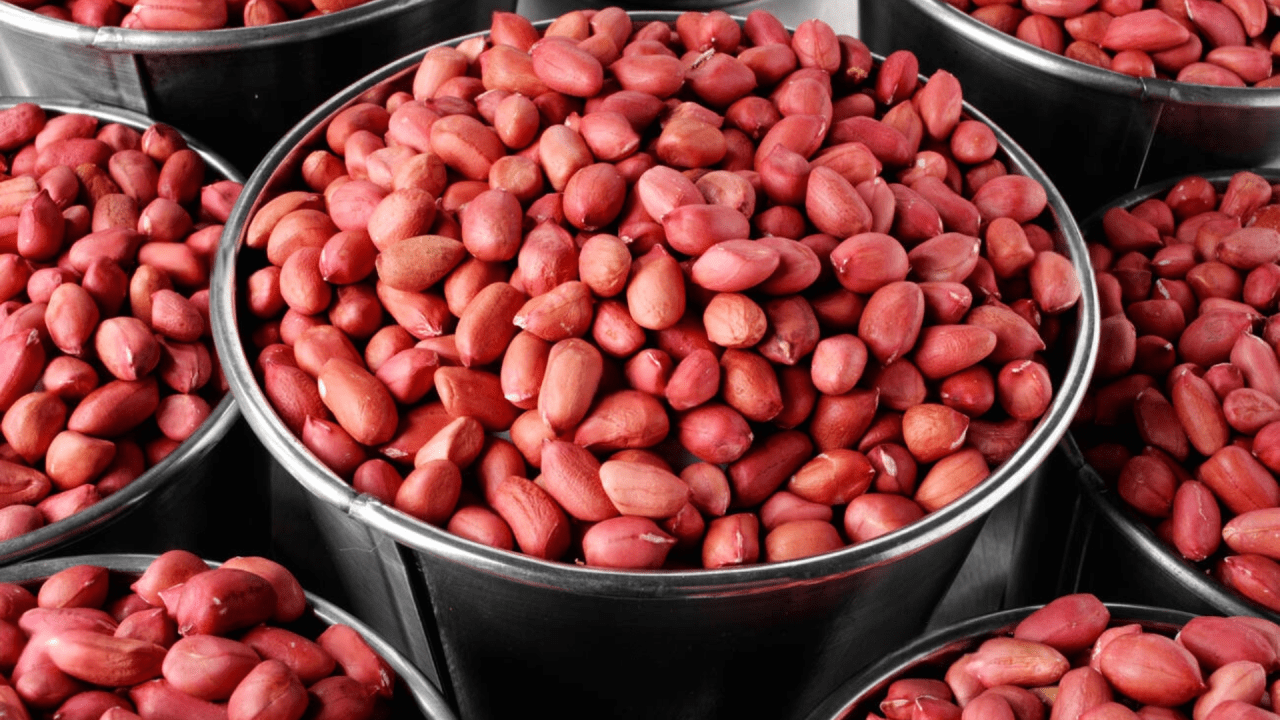



Groundnuts are supplied shelled or in shell for food processing oil extraction and ingredient manufacturing.
Groundnuts and peanuts are two names for the exact same thing: a type of legume (Arachis hypogaea) that grows its edible seeds in pods underground. The difference in terminology is primarily regional.
Terminology
Groundnut is the common name used in many parts of Africa and Asia, including South Africa. This name aptly describes the plant’s unique subterranean (underground) growth habit.
Peanut is the standard term in the United States, Europe, and many Western countries, often used when referring to snacks, confectionery, and retail-packaged products.
In some botanical or agricultural contexts, “groundnut” might be used to refer to other, entirely different, underground-growing legumes like the Bambara groundnut (Vigna subterranea), but in general culinary and trade usage, they are synonymous with the peanut.
Nutritional Value
Whether called groundnuts or peanuts, they offer the same significant nutritional benefits and are considered a nutrient-dense food.
Protein-rich: A great source of plant-based protein, providing around 25 grams per 100 grams.
Healthy fats: High in heart-healthy monounsaturated and polyunsaturated fats (around 49% fat content), which can help lower cholesterol.
Vitamins and minerals: A good source of B vitamins, vitamin E, magnesium, phosphorus, and potassium.
Fibre: Provides dietary fibre, aiding digestion and promoting a feeling of fullness, which can assist in weight management.
Antioxidants: Contains antioxidants like resveratrol, which have health-enhancing properties and may reduce the risk of certain diseases.