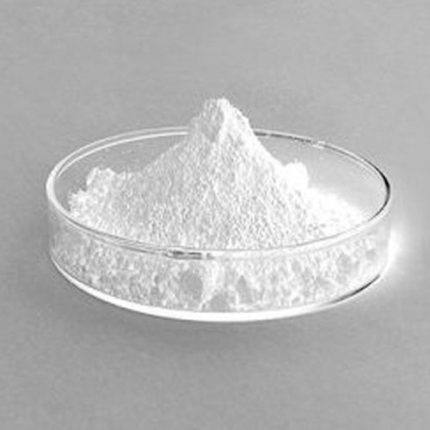



Cobaltous acetate is used in chemical synthesis catalyst preparation and industrial manufacturing.
Key Properties
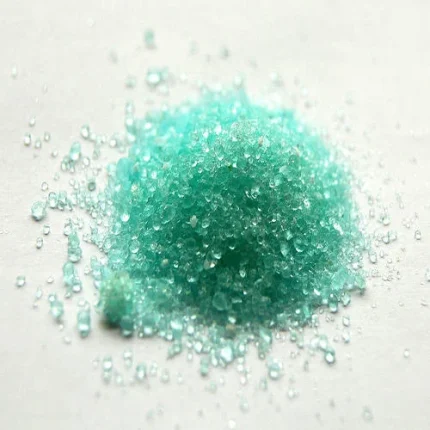
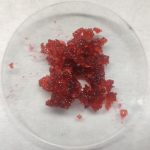
Appearance: Red-violet or pink crystals or powder.
Solubility: Highly soluble in water and alcohols.
Odor: Often has a faint, vinegar-like smell due to the acetate.
Chemical Identity: The anhydrous form has a molar mass of approximately 177.02 g/mol, while the tetrahydrate is roughly 249.08 g/mol.
Common Applications
Catalysis: Used as a precursor to oil-drying agents that help paints and varnishes harden. It also serves as a catalyst in industrial oxidation and esterification reactions.
Materials Science: Employed in the synthesis of lithium cobalt oxide for rechargeable batteries and other nanomaterials.
Electroplating: Used to create smooth cobalt deposits on surfaces during plating.
Specialty Uses: Historically used in sympathetic (invisible) inks and as a foam stabilizer in malt beverages.
Safety and Handling
Cobaltous acetate is hazardous and requires careful handling. It is classified as:
Carcinogenic: Suspected of causing cancer, particularly if inhaled.
Toxic: Harmful if swallowed and can cause severe eye irritation or skin allergies.
Environmental Hazard: Highly toxic to aquatic life with long-lasting effects.
Protection: Always use safety gear including gloves, eye protection, and a mask when handling this substance.