

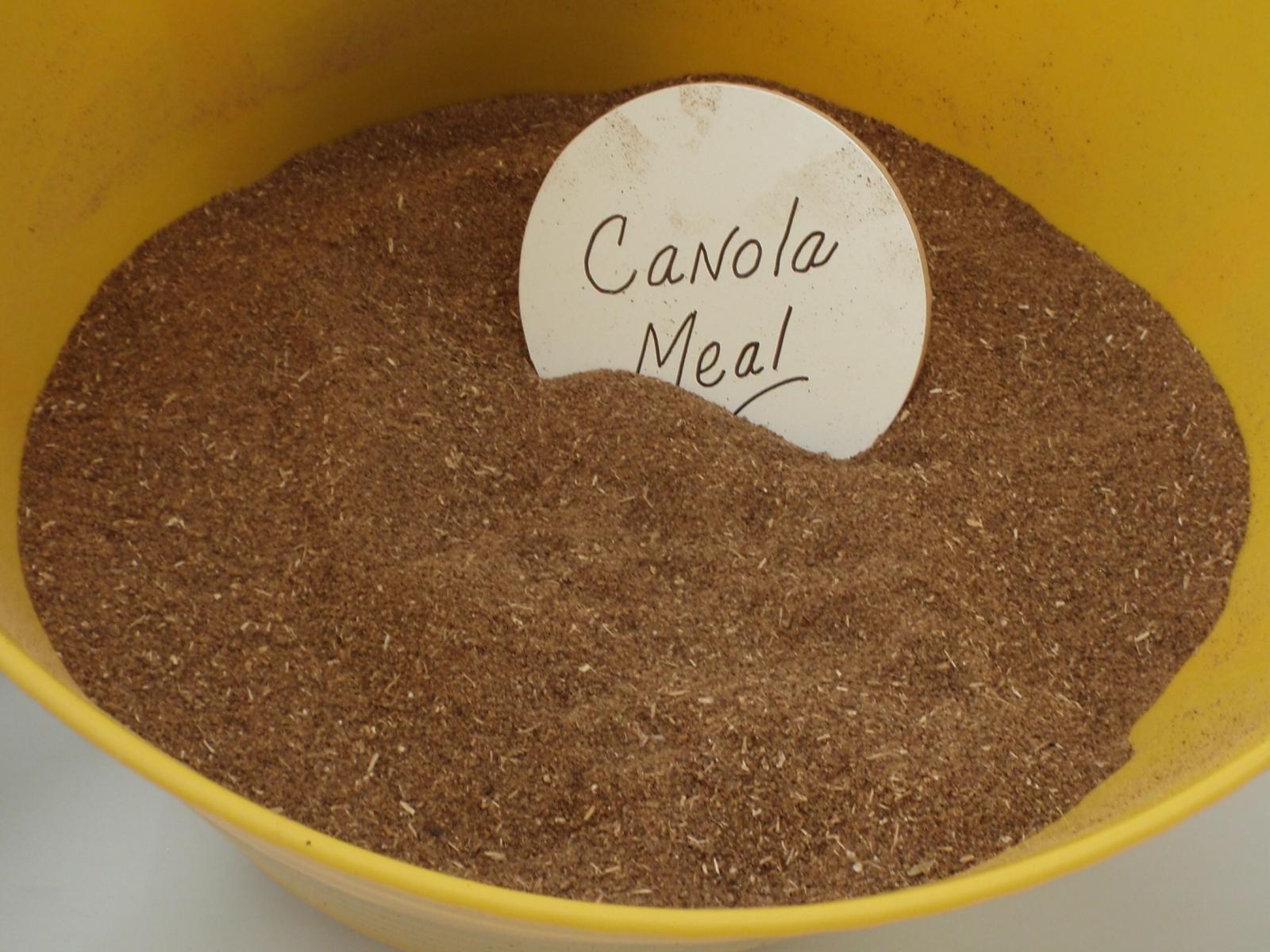


Canola meal is supplied for livestock and poultry nutrition.
Canola meal is a high-quality, widely used protein source in animal feed for livestock, poultry, and aquaculture. It is produced as a co-product of canola oil extraction and is favored for its excellent, well-balanced amino acid profile, which includes high levels of methionine and lysine.
Key Aspects of Canola Meal in Nutrition:
Dairy Cattle: Regarded as a premium ingredient that can increase milk production by approximately one liter per cow per day compared to other protein sources. It provides high levels of rumen-undegraded protein (bypass protein).
Poultry: Used for broilers, layers, and turkeys. It serves as a cost-effective alternative to soybean meal, with modern, low-glucosinolate varieties allowing for higher inclusion rates (e.g., up to 20% for laying hens).
Swine: Highly palatable and suitable for all stages of production, from nursery pigs to mature sows.
Aquaculture: Provides a sustainable alternative to fishmeal for fish species like salmon, trout, and tilapia.
Nutritional Profile: Contains high levels of protein (typically 36–39%), is rich in essential vitamins and minerals, and is low in anti-nutritional compounds.
Benefits of Using Canola Meal:
Improved Performance: Often results in increased milk and component production in dairy cattle.
Palatability: The low levels of glucosinolates make it readily accepted by animals.
Sustainability: Reduces reliance on imported protein sources and contributes to lower greenhouse gas emissions in livestock production.
Livestock Applications
Dairy Cattle: Highly preferred for lactating cows because it significantly increases milk production (average of 1 litre per cow per day) compared to soybean or cottonseed meal. It provides high levels of rumen undegraded protein (RUP), or bypass protein, which improves protein efficiency and reduces waste.
Beef Cattle: Used in feedlots and for grazing cattle to support growth and maintain body condition, especially during drought when forage quality is low.
Swine: Suitable for all stages of production, from nursery pigs to breeding stock. It is noted for an amino acid balance that closely aligns with a pig’s requirements, particularly for sulfur-containing amino acids like methionine and cysteine.
Small Ruminants: Effective for sheep and goats, where its high methionine content is particularly beneficial for wool and mohair production.
Poultry Applications
Laying Hens: Frequently used to support high levels of egg production. While early concerns existed about a “fishy taint” in brown eggs, genetic breeding has largely eliminated this trait, allowing for inclusion levels up to 20%.
Broilers: Primarily used as a cost-effective protein supplement. Its inclusion is often limited to 10–30% due to its high fibre content and lower energy density compared to soybean meal.
Ducks and Geese: Can be used in all production stages, though research on species-specific performance is more limited than for chickens.
Nutritional Profile & Considerations
Amino Acids: Rich in methionine, cysteine, and arginine, but typically lower in lysine than soybean meal.
Minerals & Vitamins: Contains higher levels of calcium, phosphorus, and B-vitamins (biotin, folic acid, niacin) than most other oilseed meals.
Anti-Nutritional Factors: Modern canola has been bred to contain low levels of glucosinolates and erucic acid, significantly improving its palatability and safety for livestock compared to traditional rapeseed.
Environmental Impact: Feeding canola meal to dairy cows has been shown to reduce enteric methane emissions and overall greenhouse gas production compared to other protein sources.