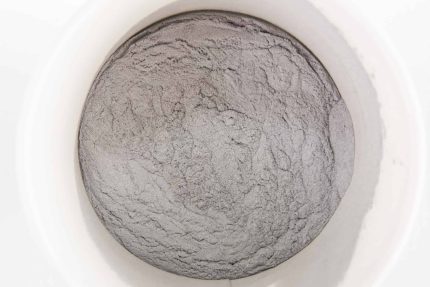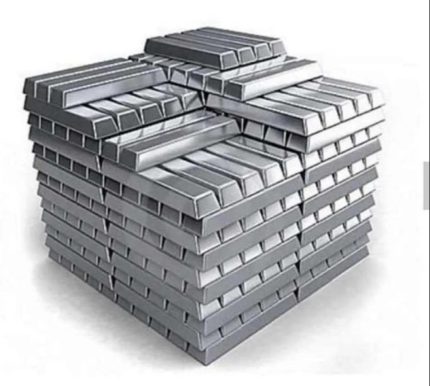

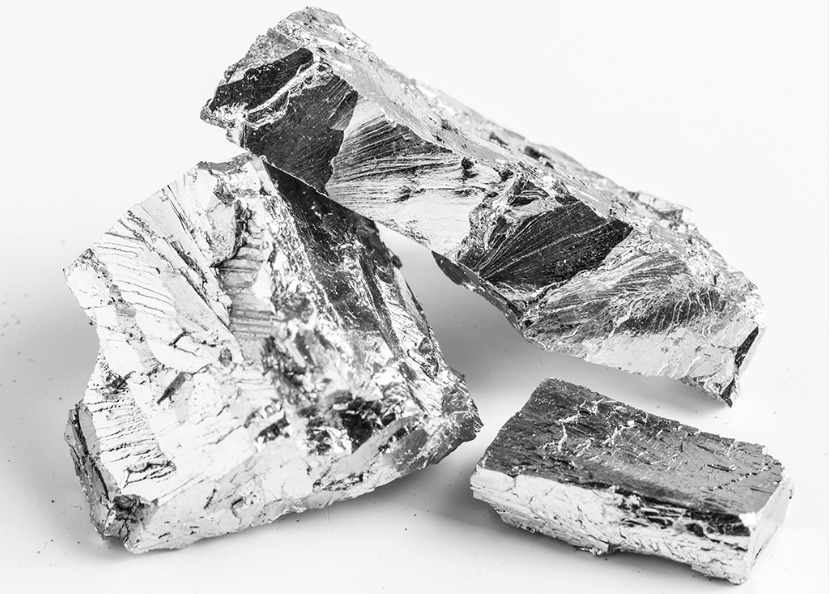


Chromium metal is supplied for alloy manufacturing electroplating and industrial processing.
Chromium (Cr) is a hard, brittle, steely-grey transition metal (atomic number 24) renowned for its high corrosion resistance, lustrous finish, and extreme hardness, ranking as the third hardest element. Primarily used in stainless steel and superalloys, chromium features a high melting point of 1,907 °C and is essential for industrial heat resistance.
Key Properties and Characteristics
Physical Appearance: Lustrous, bluish-white, or steel-grey solid.
Hardness: With a Mohs hardness of 8.5, it is the third hardest element behind diamond and boron.
Corrosion Resistance: Highly resistant to tarnishing and rust due to passivation, making it ideal for plating.
Melting Point: 1,907 °C (3,465 °F).
Magnetic Properties: Exhibits antiferromagnetic properties.
Primary Uses and Industrial Applications
Stainless Steel: The main alloying element in stainless steel, providing corrosion resistance.
Plating (Chrome): Used to produce a durable, decorative, and corrosion-resistant coating on metal parts.
Superalloys: Crucial for high-temperature applications, such as in aerospace and energy sectors.
Chemical Industry: Used in pigments, tanning, and as a refractory material in furnaces.
Occurrence and Production
Sources: Primarily derived from the mineral chromite
Locations: Approximately 80% of global reserves are located in South Africa and Zimbabwe, followed by Kazakhstan and India.
Production: Extracted through smelting processes to produce ferrochrome, which is then used to create chromium metal or alloys.
Health and Environmental Aspects
Nutritional Role: Trivalent chromium (Cr(III)) is an essential nutrient for human metabolism, helping with insulin, but excessive intake is harmful.
Toxicity: Hexavalent chromium (Cr(VI)) is toxic and carcinogenic, causing skin ulceration and respiratory issues.
Classification: Metallic chromium and trivalent compounds are not considered to be classifiable as human carcinogens.